Clear · TIDE
Sunny Hills
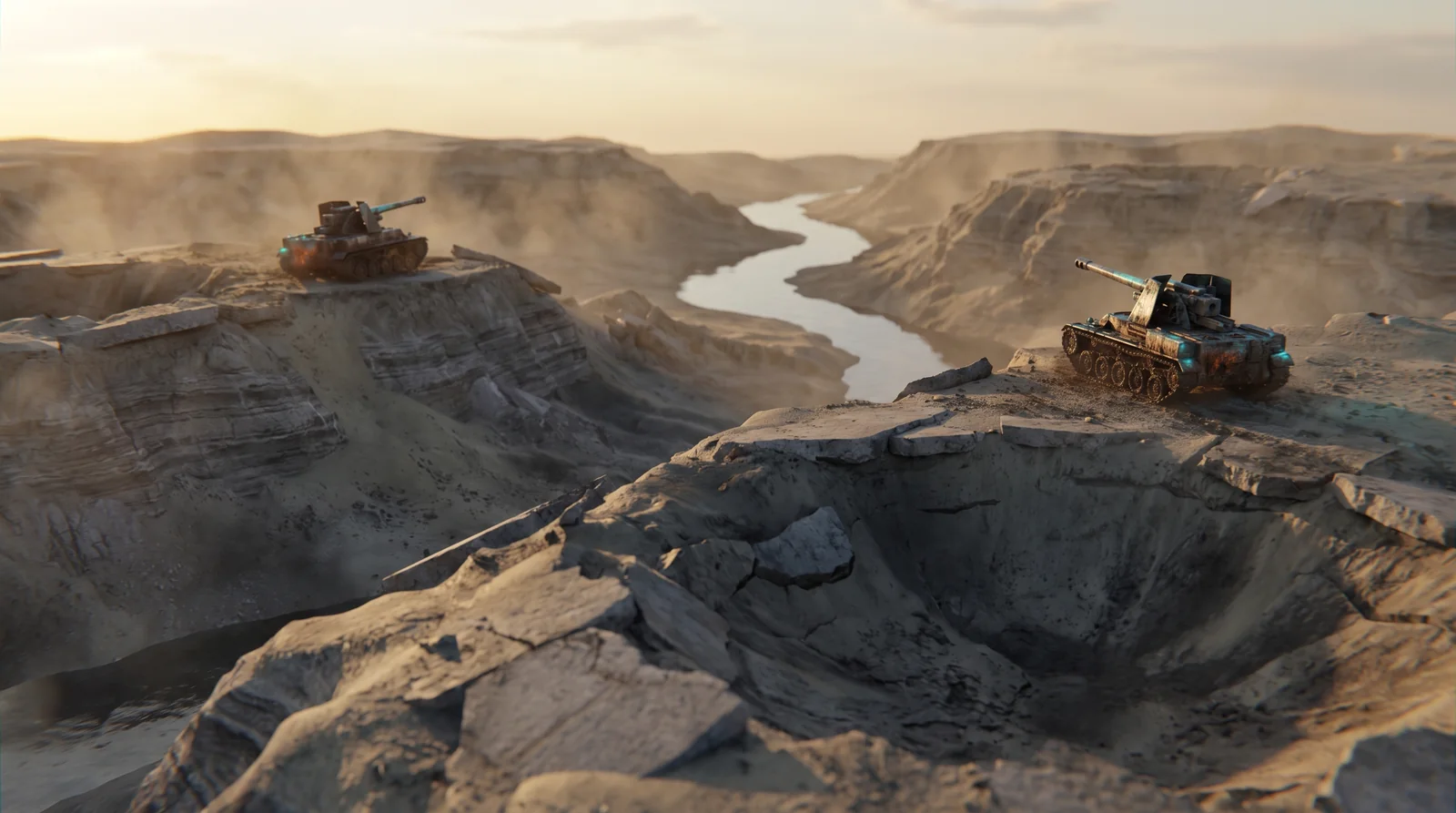
Green hills with turf over earth and stone. The map where nothing gets in the way of learning the rules.
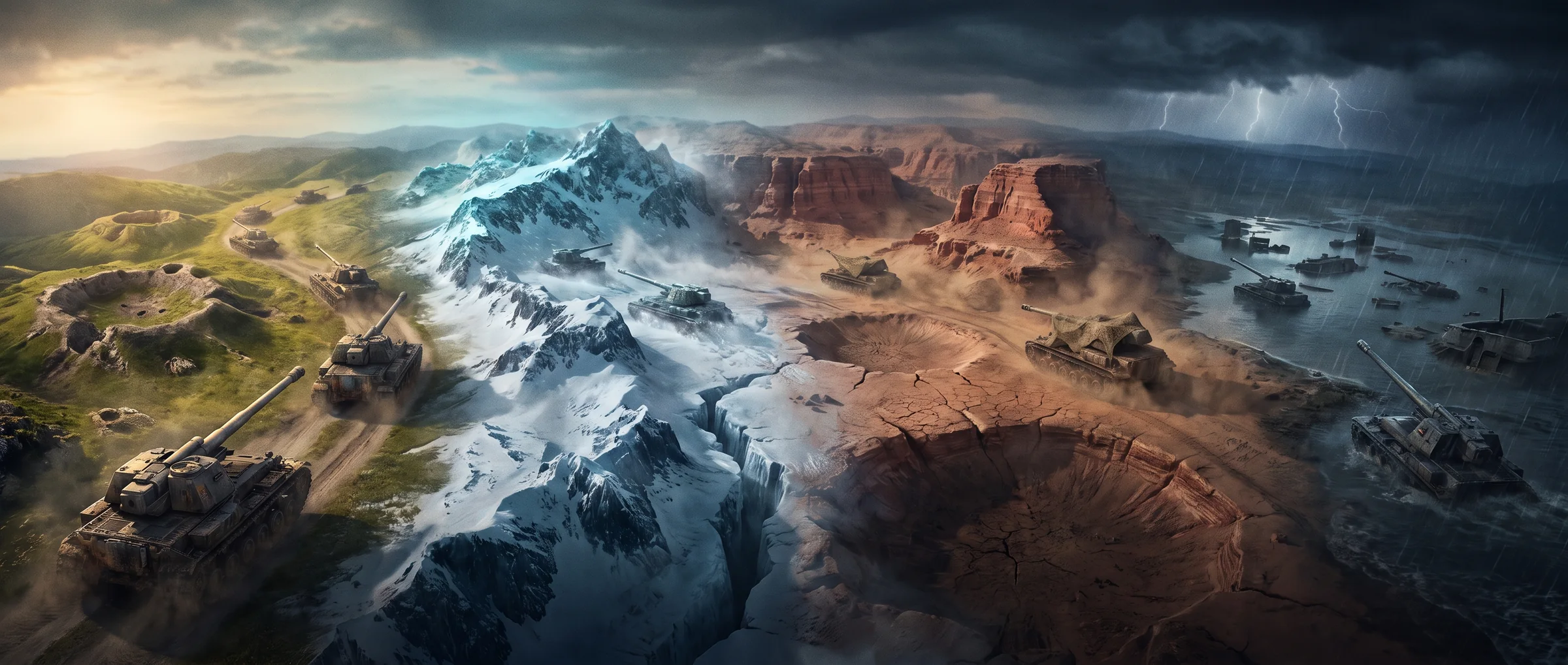
Three layers of conditions stack with each other and with the ground under your tracks. The same loadout plays differently in snow with high drift and in heat on scree.
An arena sets the ground under your tracks and the sky above, and with them its own default weather and rule.
Green hills with turf over earth and stone. The map where nothing gets in the way of learning the rules.
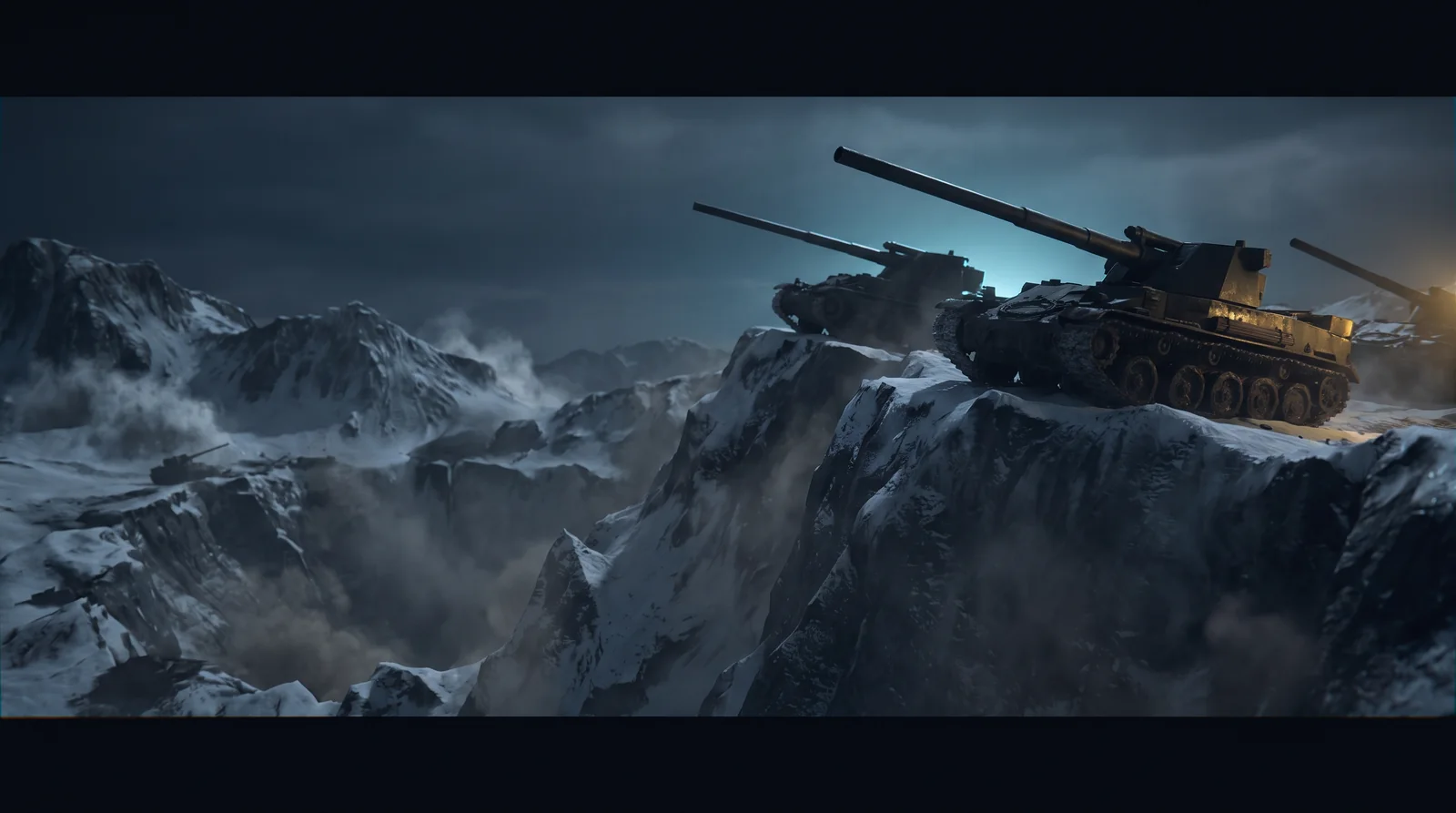
Snow over ice, narrow crests and deep lenses of rock. Slippery everywhere, and ice gives the widest crater in the game.
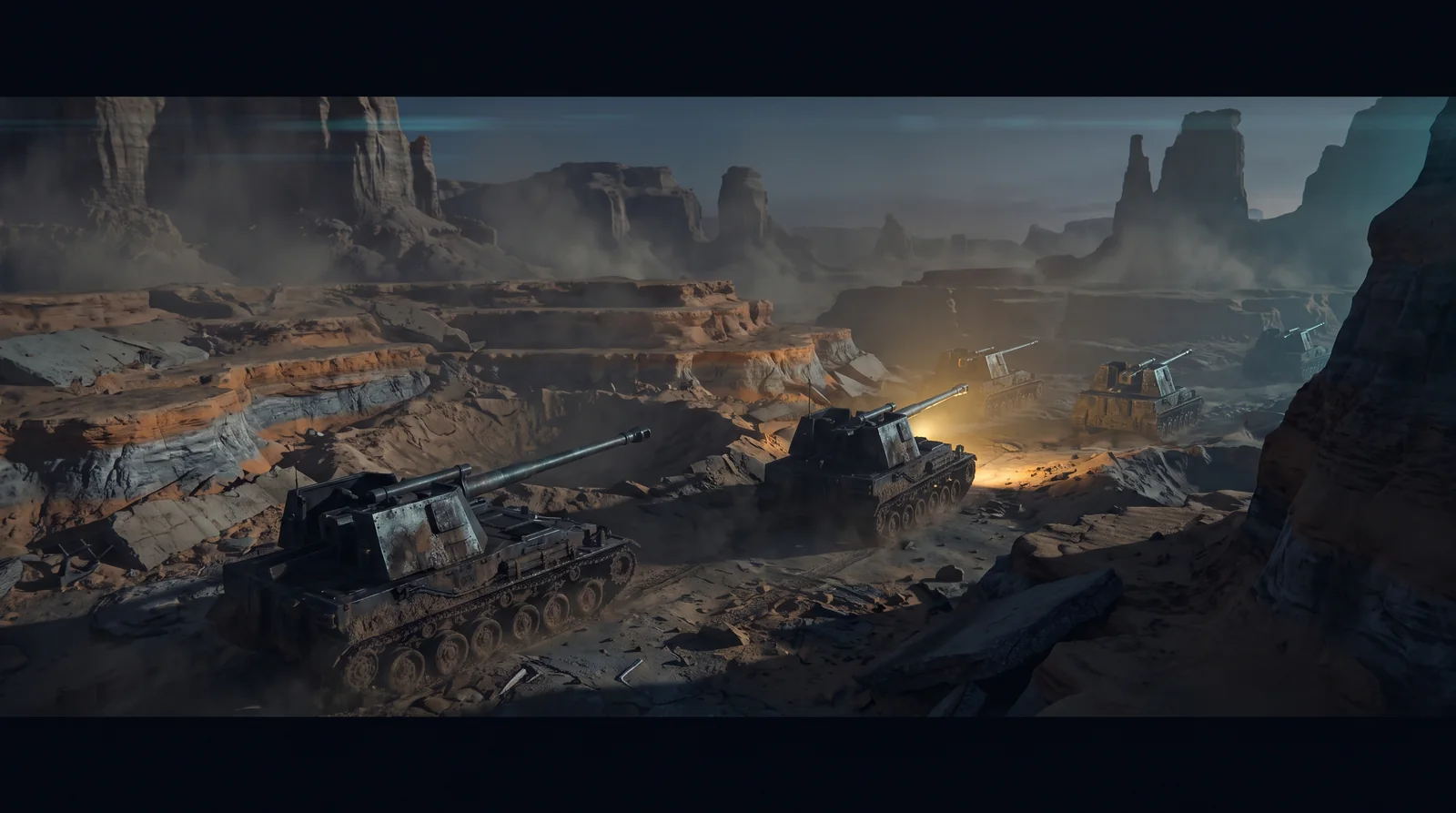
Sand and stone, wide plateaus and sheer walls. Craters are wider, slopes creep, and the heat lengthens every shot.
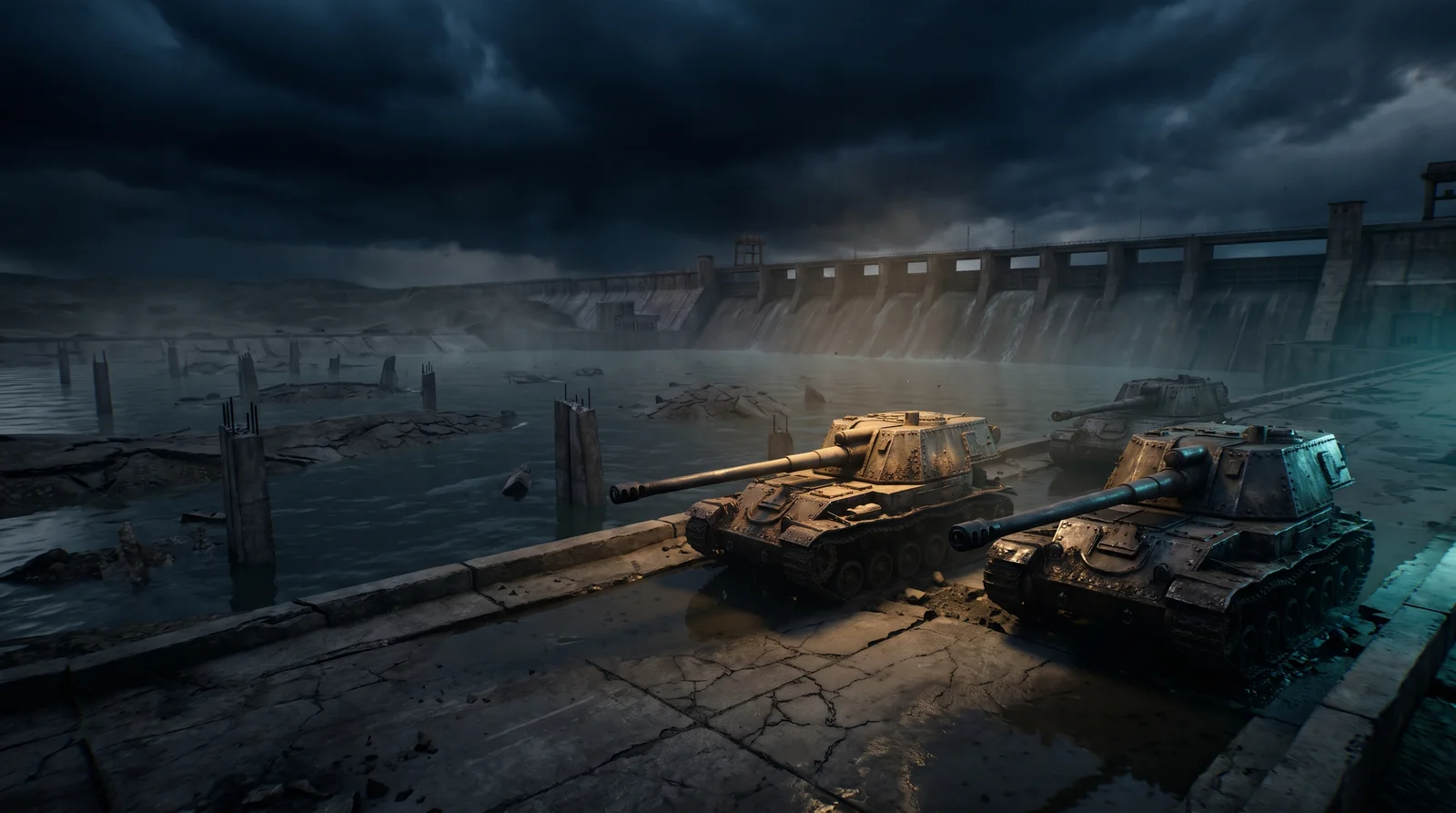
Marsh, water and concrete piers under a storm sky. The wind jumps between turns and shifts mid-flight.
Weather does not tint the sky, it moves the numbers: shot range, crater depth, slipping, how much of the enemy trace is visible and how the wind behaves. Which one it will be is known before the loadout is built.
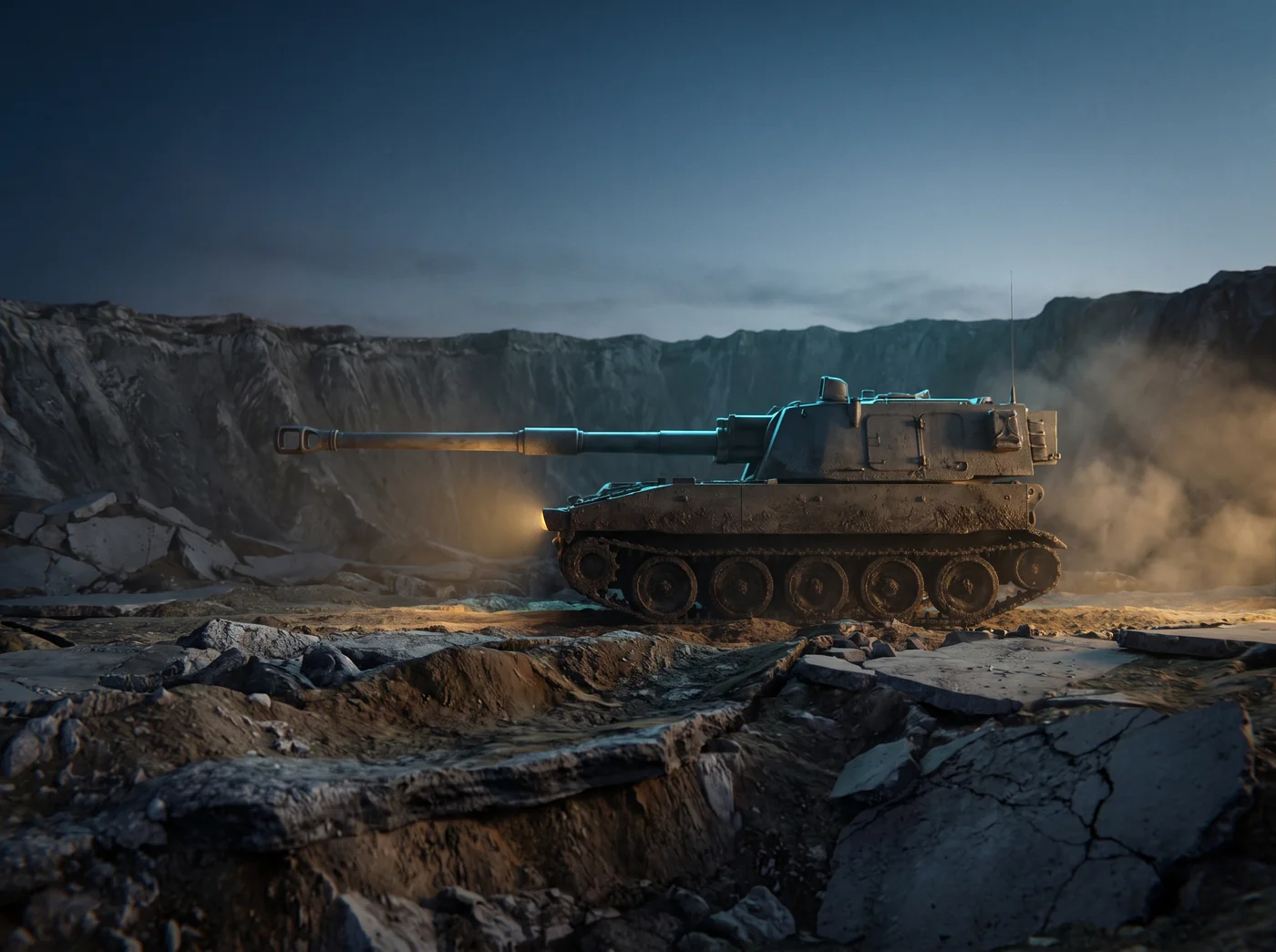
Baseline. Wind drifts gently, ±10 a turn
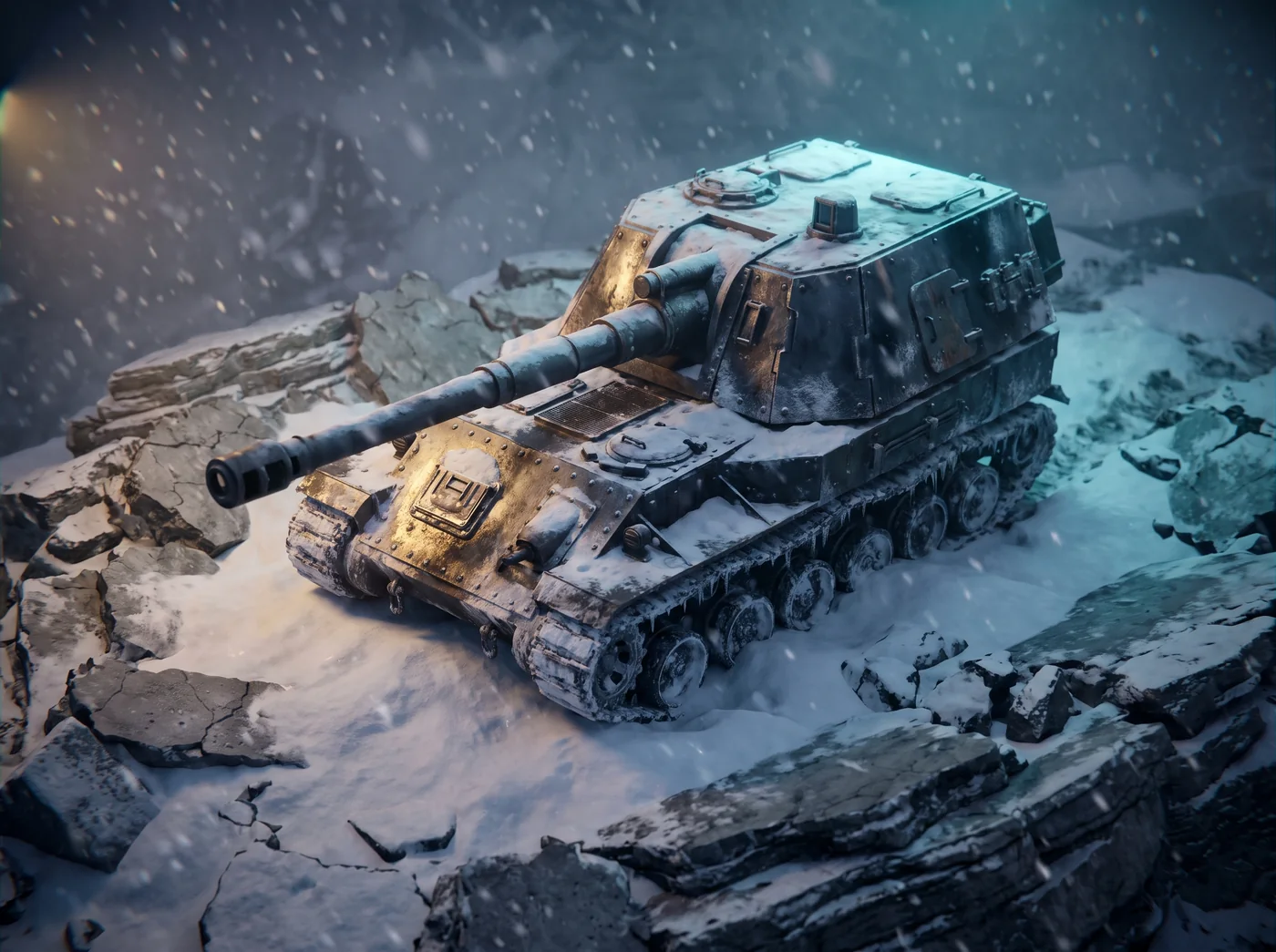
Blasts are 25 % weaker, every surface is slippery, snow piles up
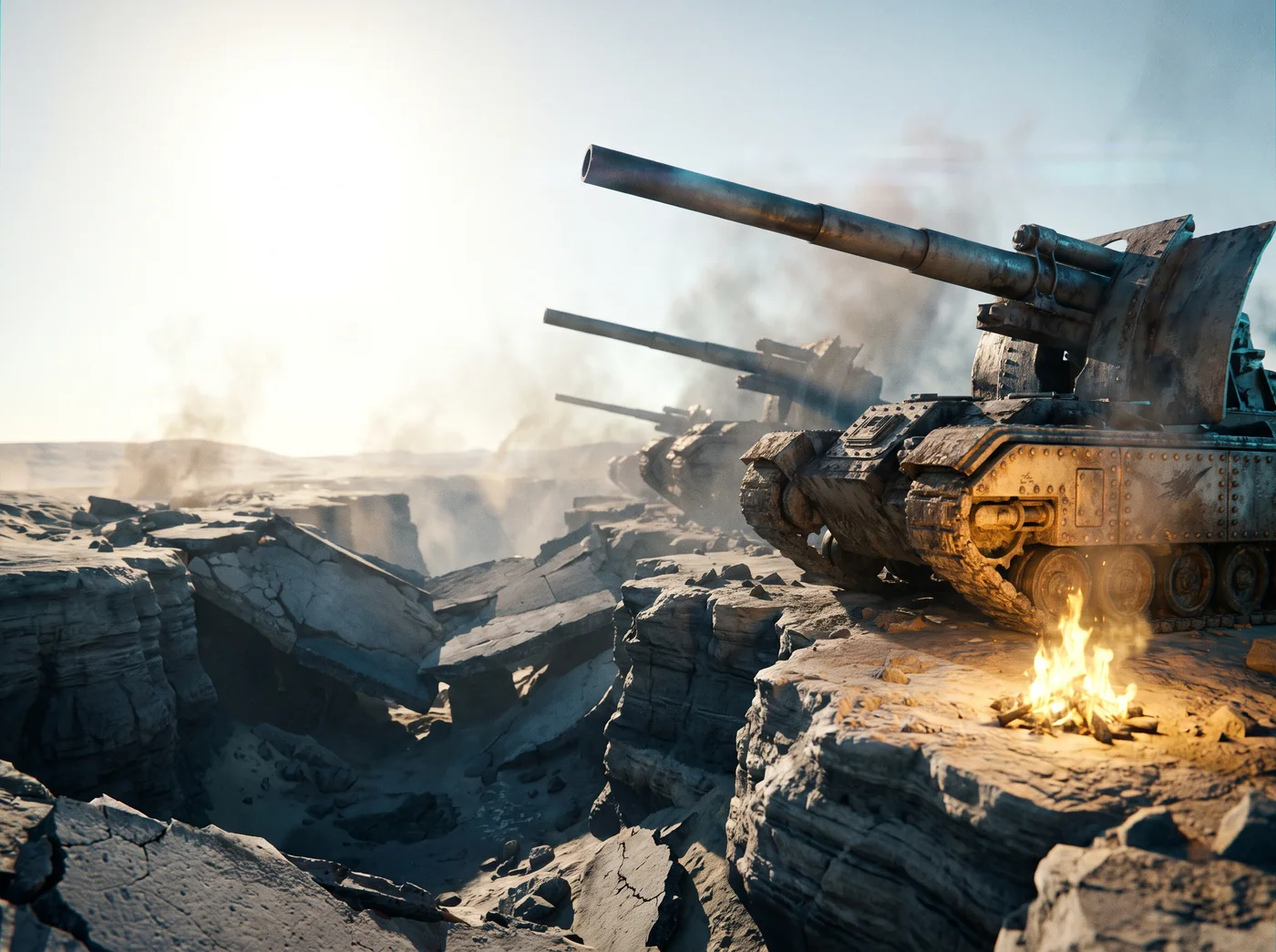
Shells fly 15 % farther, fire burns twice as long
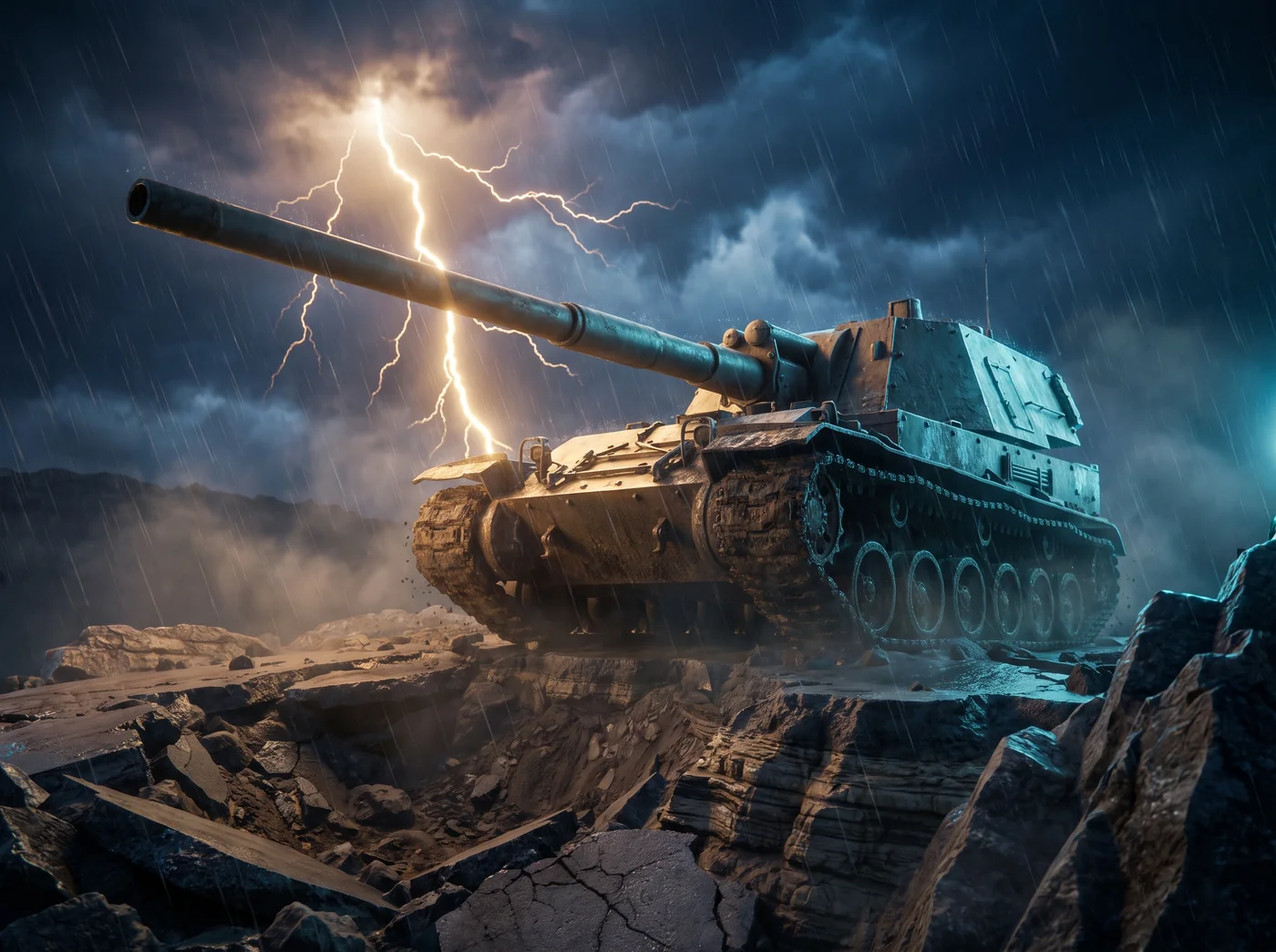
Wind jumps ±60 between turns and shifts mid-flight
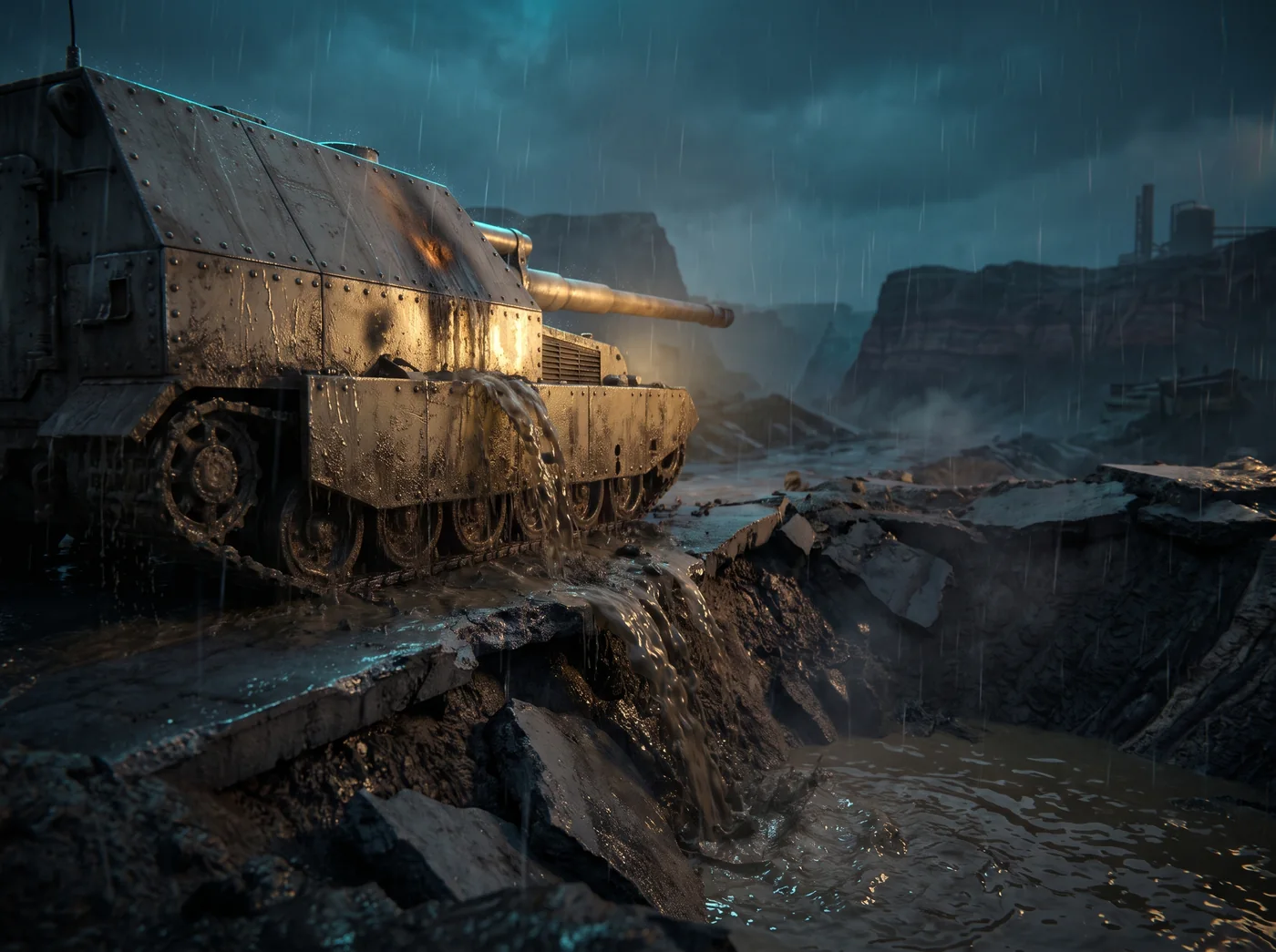
Craters are 40 % deeper, slopes creep, fire dies within a turn
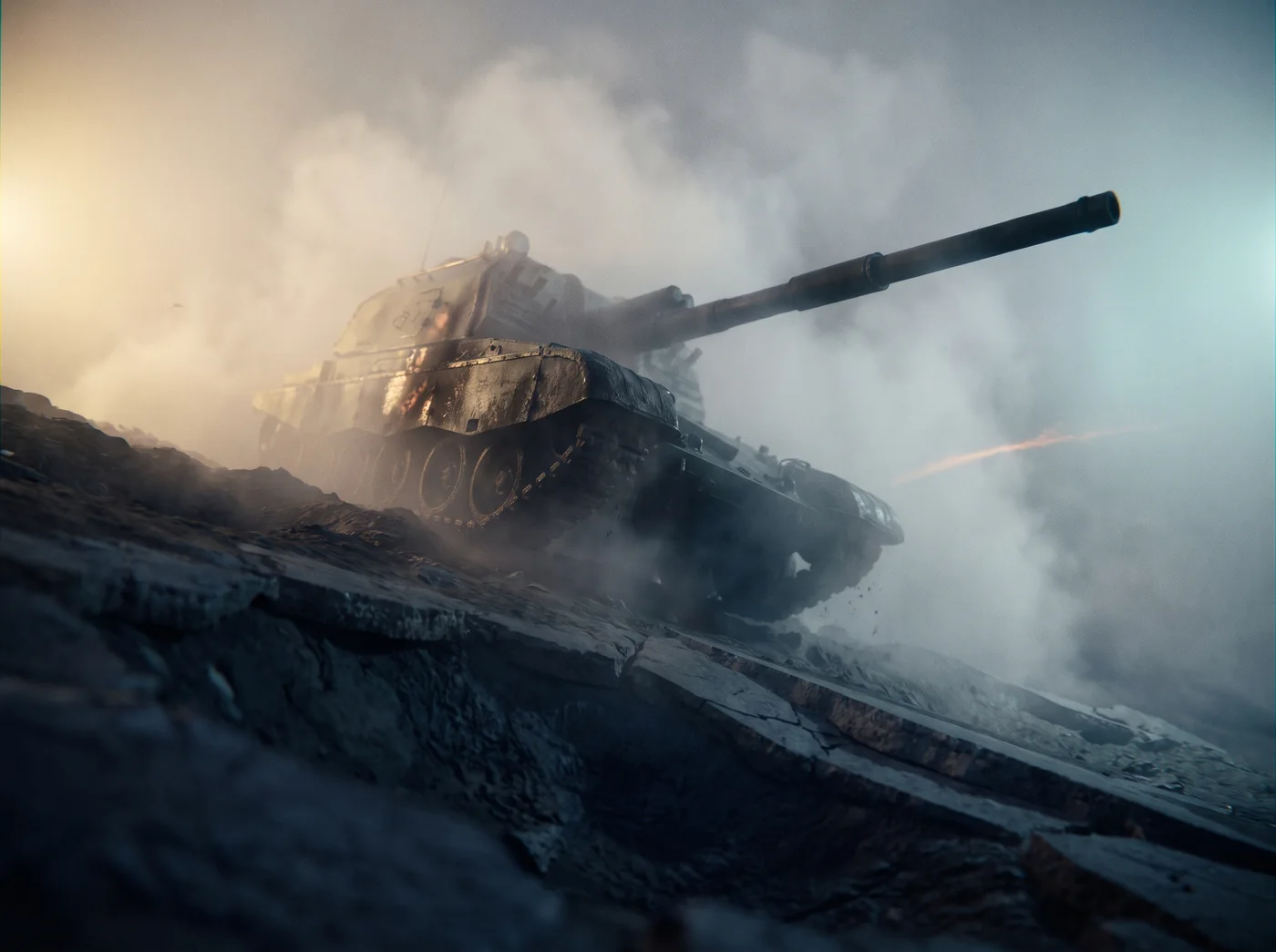
You see only 30 % of the enemy arc, their power is hidden
An arena rule is one sentence that rewrites the whole battle. It runs for the entire game, both sides see it, and it is named in the briefing together with the map.
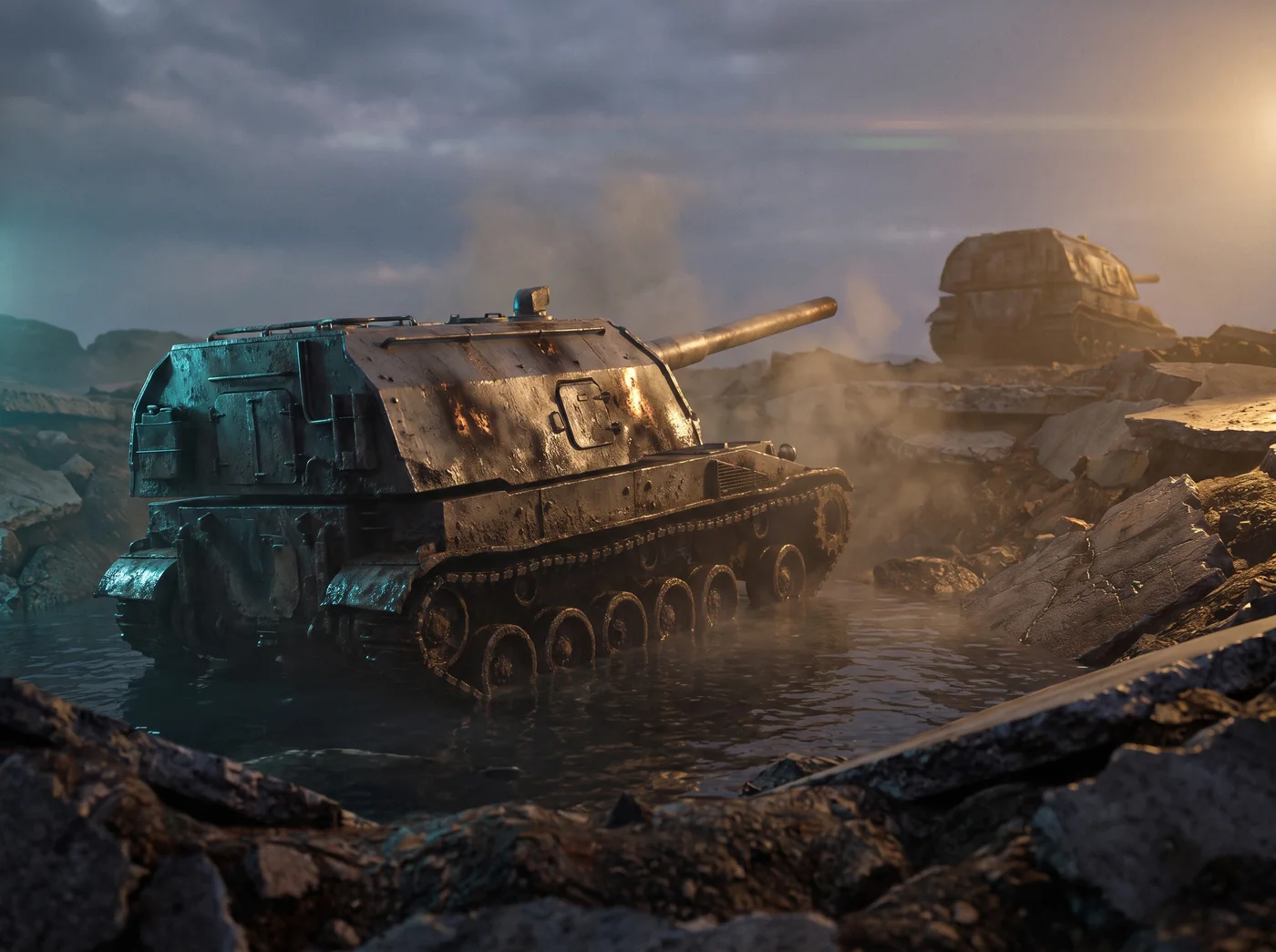
Water rises every three turns. The low ground goes first; height decides
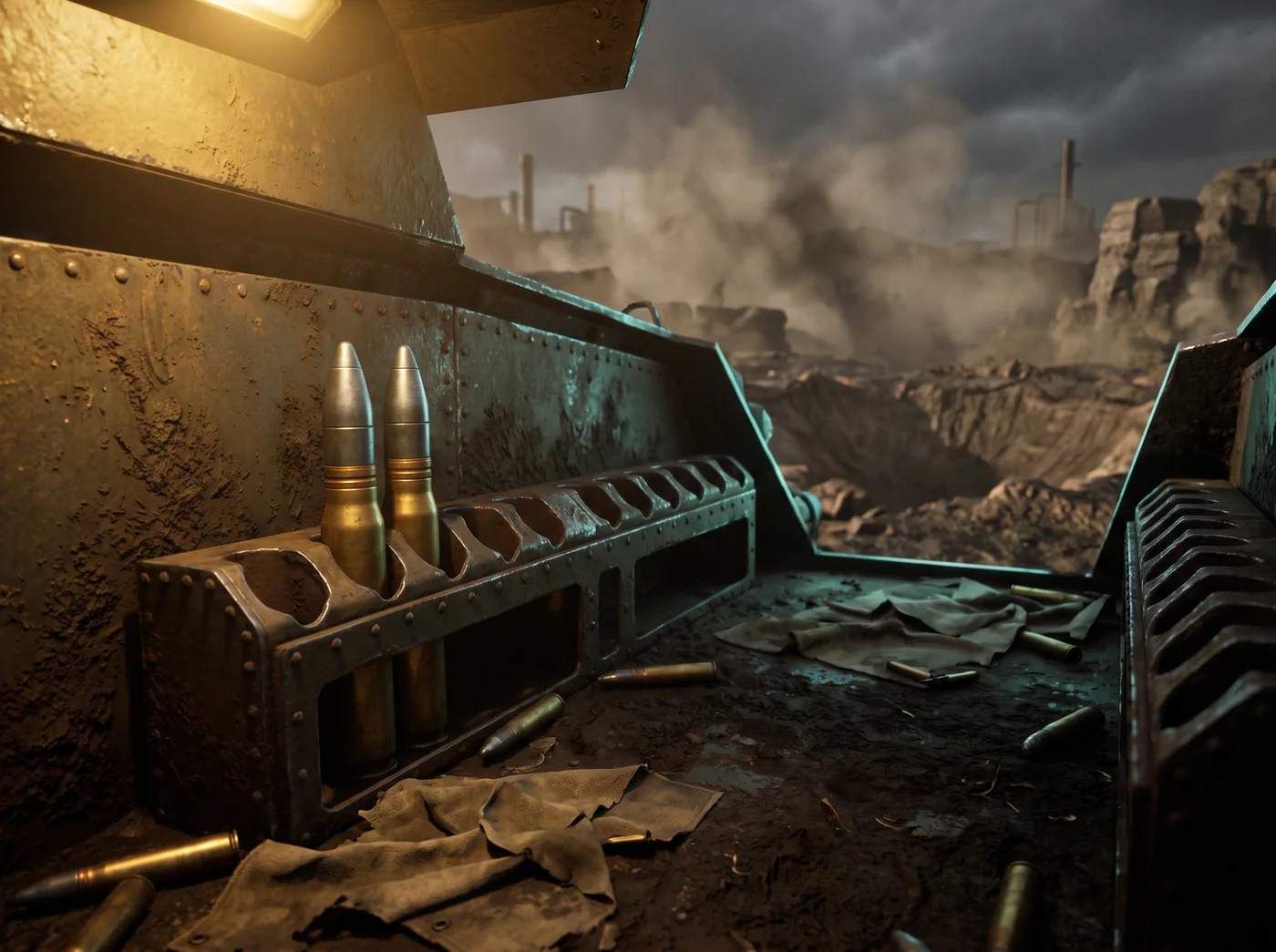
Half the ammo for everything except the basic shell
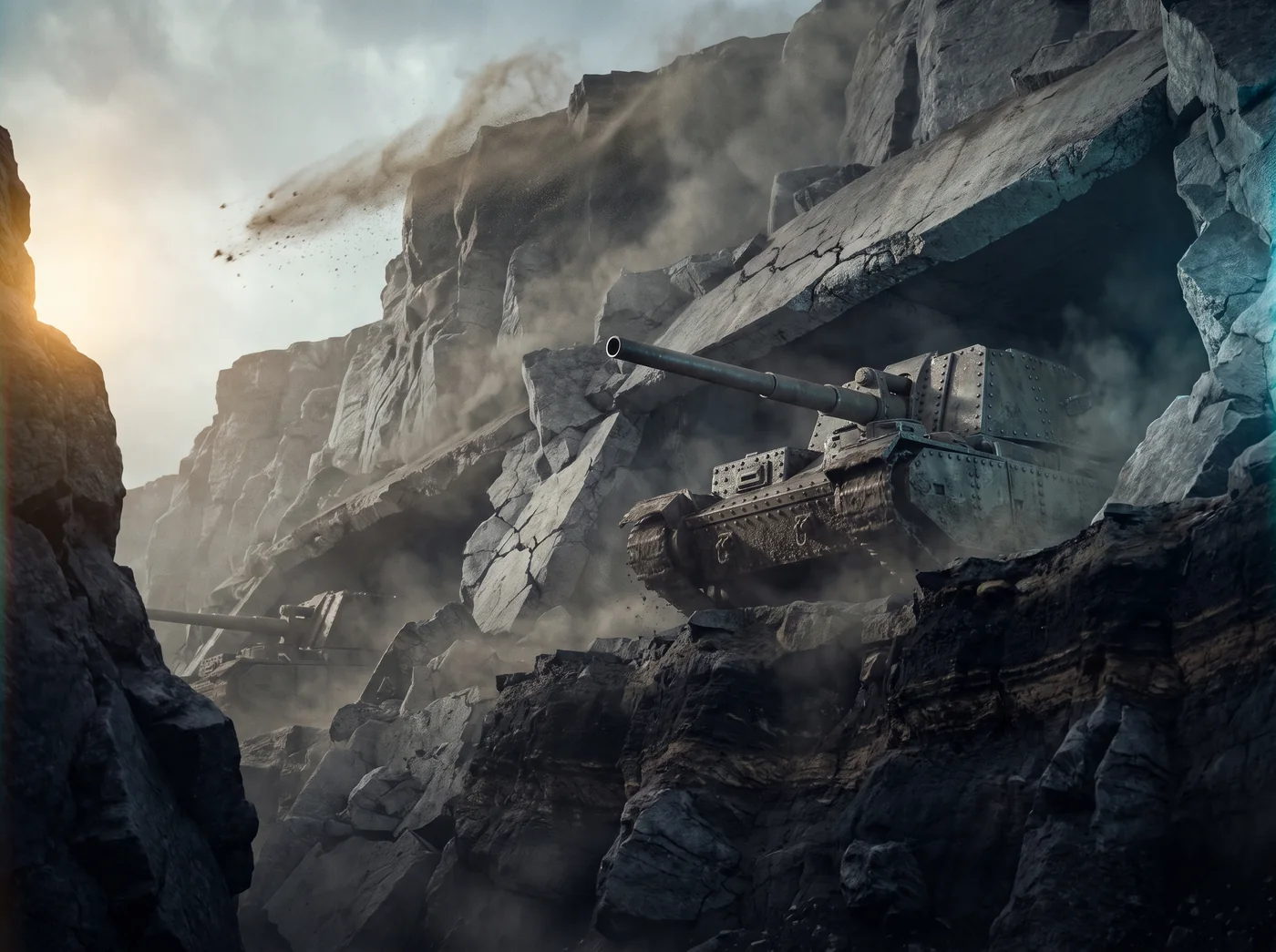
Wind up high is twice as strong: a lobbed shot catches it three times over
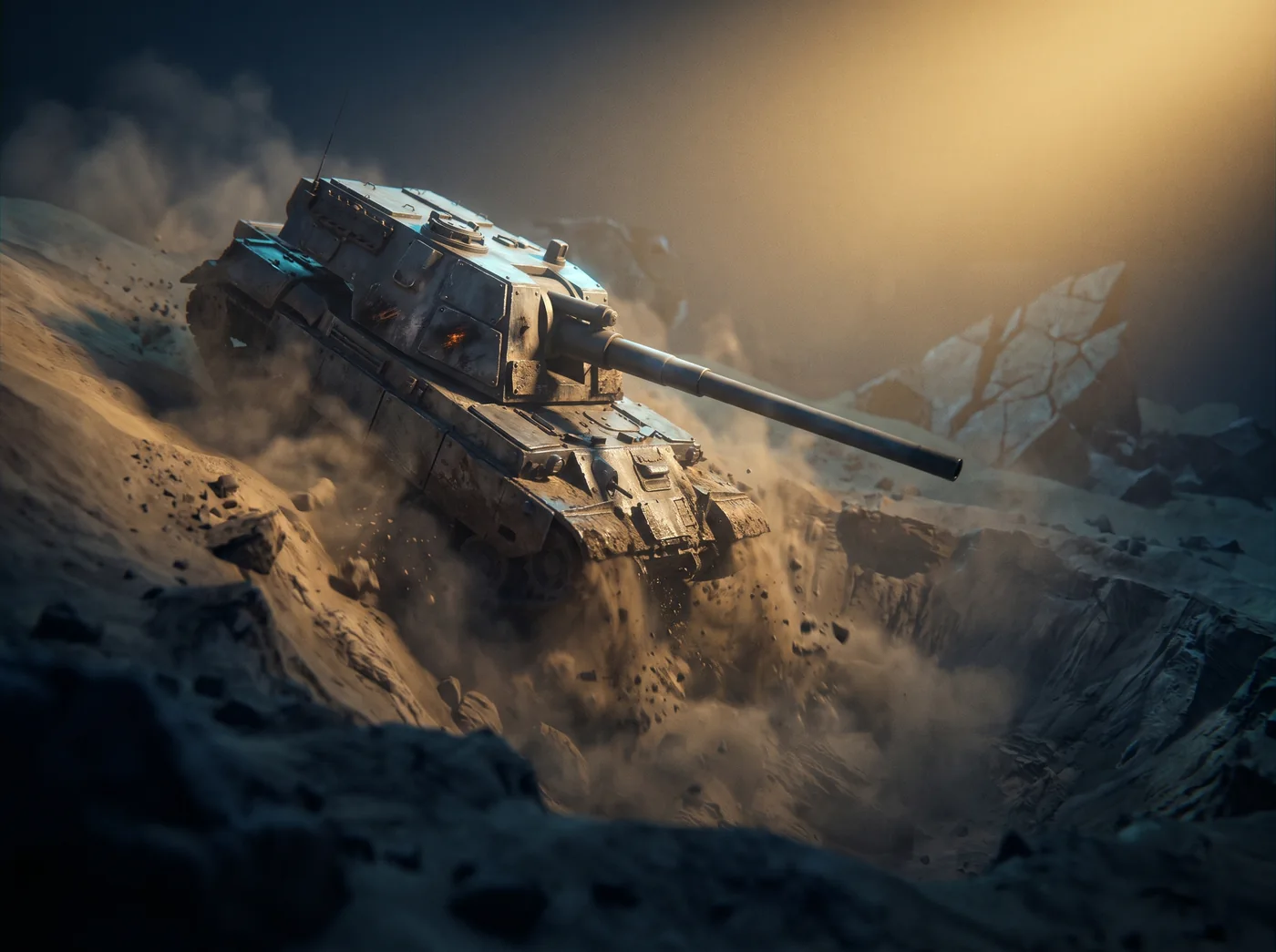
The whole map is sand: craters half again as wide, slopes creep — the ground kills more often than the shell
Down low it is one thing, up top another: a lobbed shot passes through both layers and catches the difference twice. The High drift rule doubles the upper layer — and the same power puts the shell fifty pixels off to the side.
There is exactly one way to know the wind in advance: the Probe, for one action point. It shows the schedule three turns ahead. In a storm that is the only protection against the wind changing while the shell is in the air.
The arena, the weather and the arena rule are all in the briefing — and the loadout is built against them.