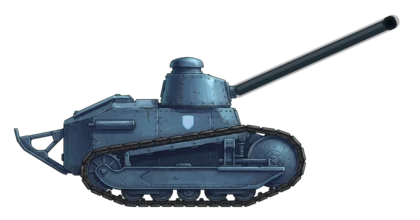
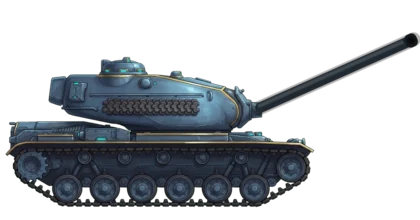
SHIELDT7
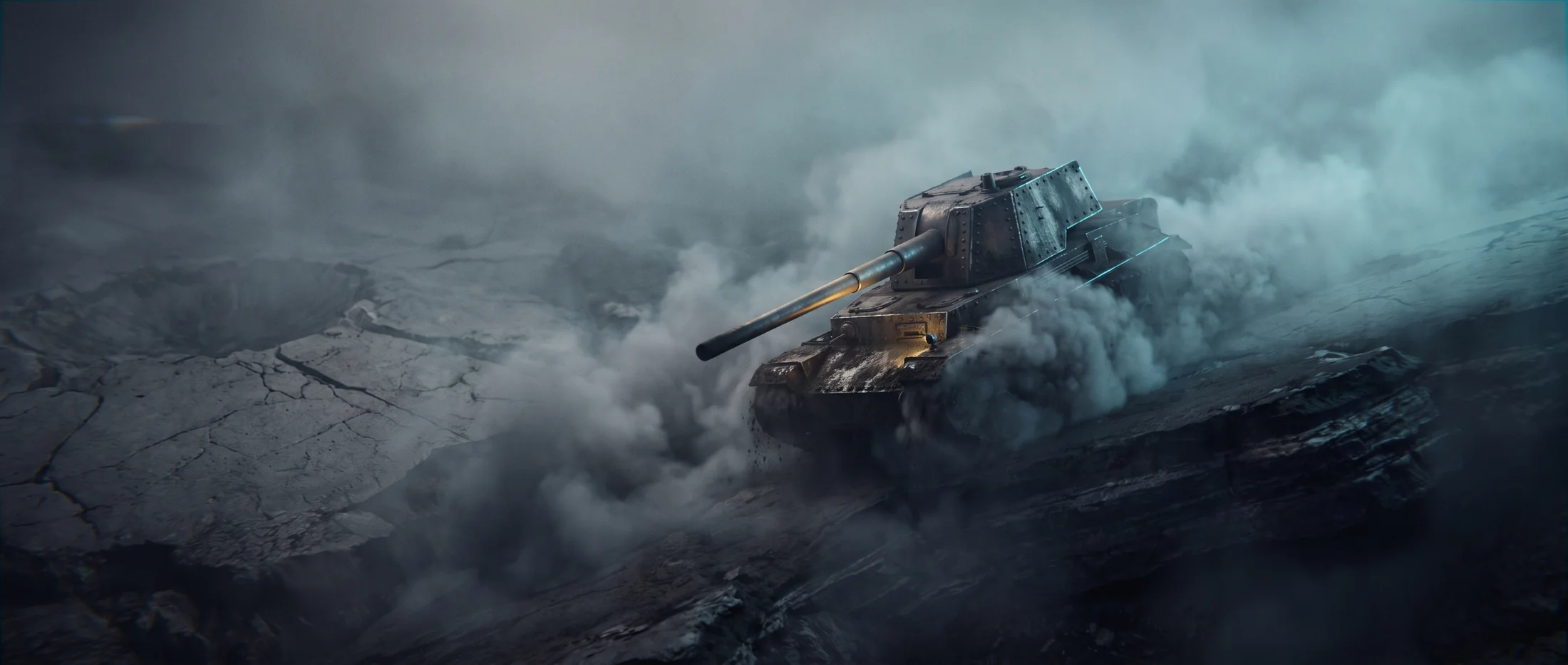
the thickest hide of tier seven — it covers an ally and holds the high ground
M103 (USA, 1957)
One starter machine, three branches of nine ranks and twelve premium machines for tokens. A branch is a character: the Fortress takes the hits and rebuilds the map, the Blade strikes first, the Ghost picks the position.
Rank two is open in all three branches — that is where the choice starts. Deeper in, one branch is open for now; the other machines are visible and marked «soon».
Takes the most punishment and digs the widest: a bigger crater means the terrain is a weapon.
Hits hardest and first: the price of a miss is higher, and so is the reward for precision.
Drives farthest: position beats firepower, and it leaves a foxhole alive.
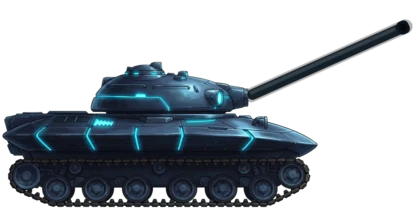 LEVIATHANT10
8 545 HP · 200 000 XP · soon
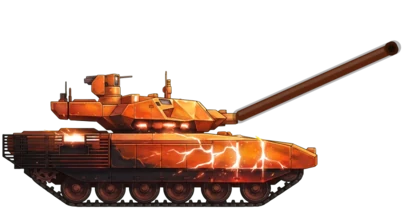 TEMPESTT10
6 052 HP · 200 000 XP · soon
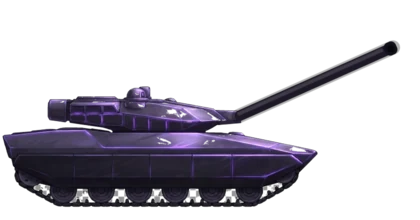 SHADOWT10
6 764 HP · 200 000 XP · soon
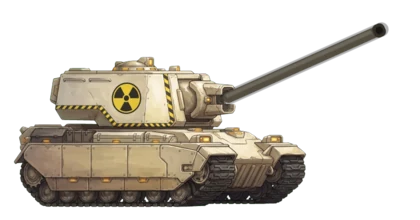 REACTORT9
6 857 HP · 125 000 XP · soon
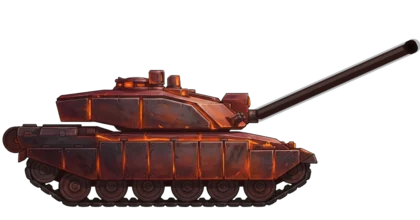 GUILLOTINET9
4 857 HP · 125 000 XP · soon
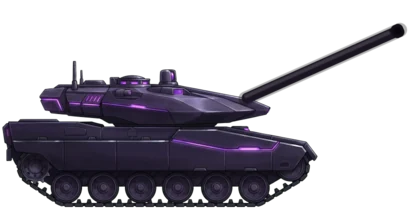 ECLIPSET9
5 428 HP · 125 000 XP · soon
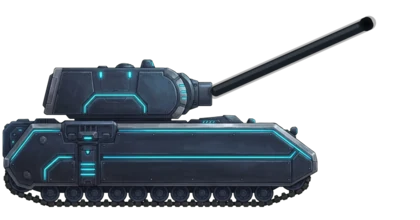 TITANT8
5 494 HP · 78 000 XP · soon
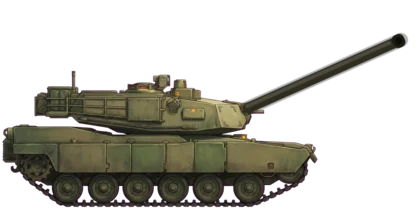 POLEAXET8
3 892 HP · 78 000 XP · soon
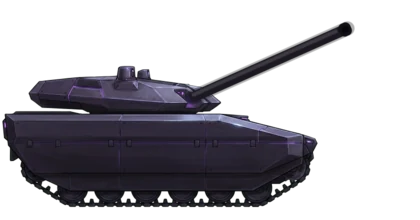 SILHOUETTET8
4 350 HP · 78 000 XP · soon
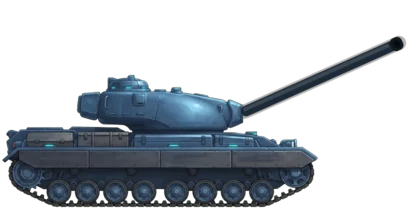 COLOSSUST7
4 395 HP · 47 000 XP · soon
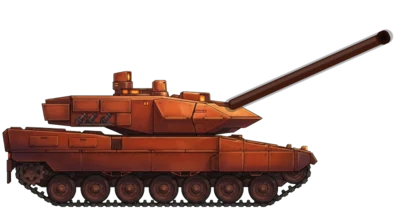 EDGET7
3 113 HP · 47 000 XP · soon
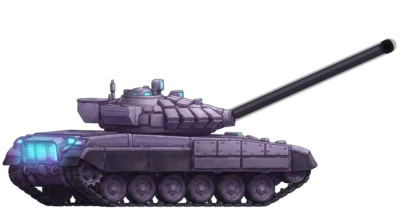 WHIRLT7
3 480 HP · 47 000 XP · soon
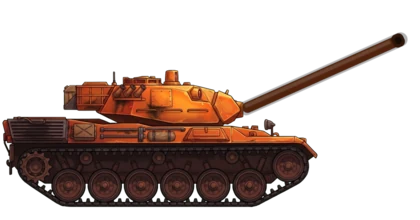
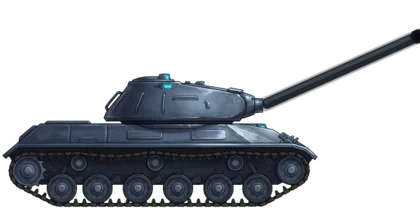 MONOLITHT6
3 510 HP · 27 000 XP · soon
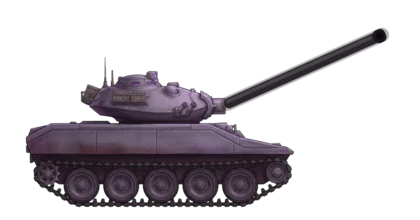
 HARPYT6
2 486 HP · 27 000 XP · soon
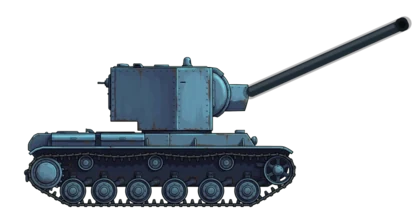
 PHANTOMT6
2 779 HP · 27 000 XP · soon
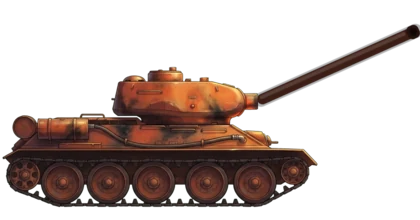
 CITADELT5
2 798 HP · 14 000 XP · soon
 INFERNOT5
1 982 HP · 14 000 XP · soon
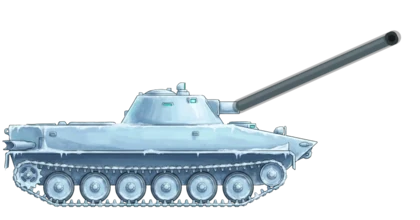 HOARFROSTT5
2 215 HP · 14 000 XP · soon
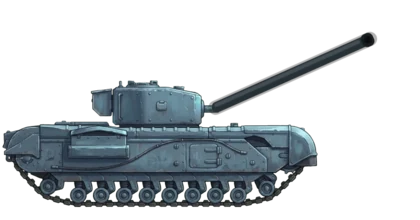 BASTILLET4
2 226 HP · 6 000 XP · soon
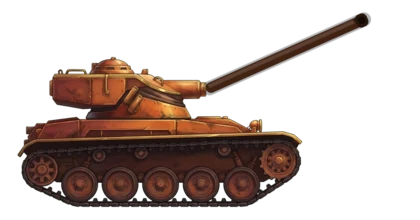 RAPIERT4
1 577 HP · 6 000 XP · soon
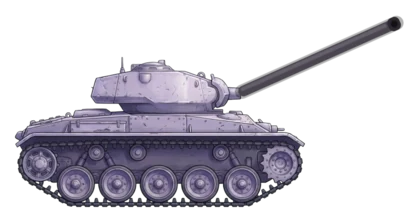 MIRAGET4
1 762 HP · 6 000 XP · soon
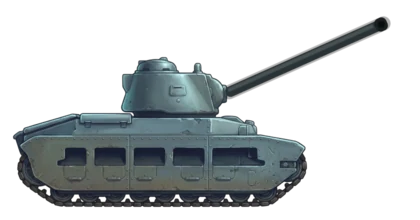 REDOUBTT3
1 766 HP · 2 400 XP · soon
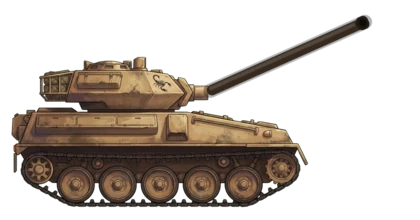 STINGT3
1 251 HP · 2 400 XP · soon
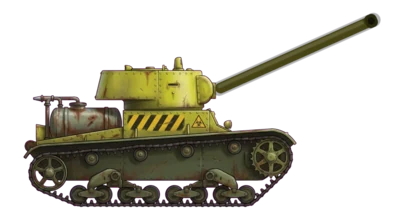 MURKT3
1 398 HP · 2 400 XP · soon
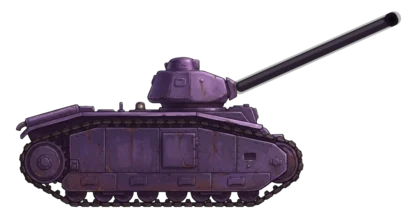 OUTPOSTT2
1 398 HP · 900 XP
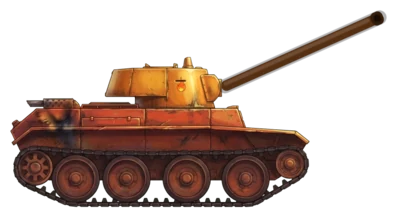 SPARKT2
991 HP · 900 XP
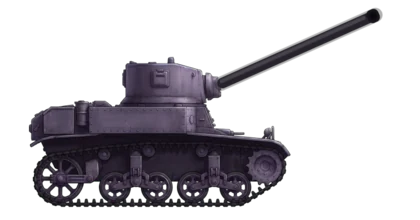 HAZET2
1 107 HP · 900 XP
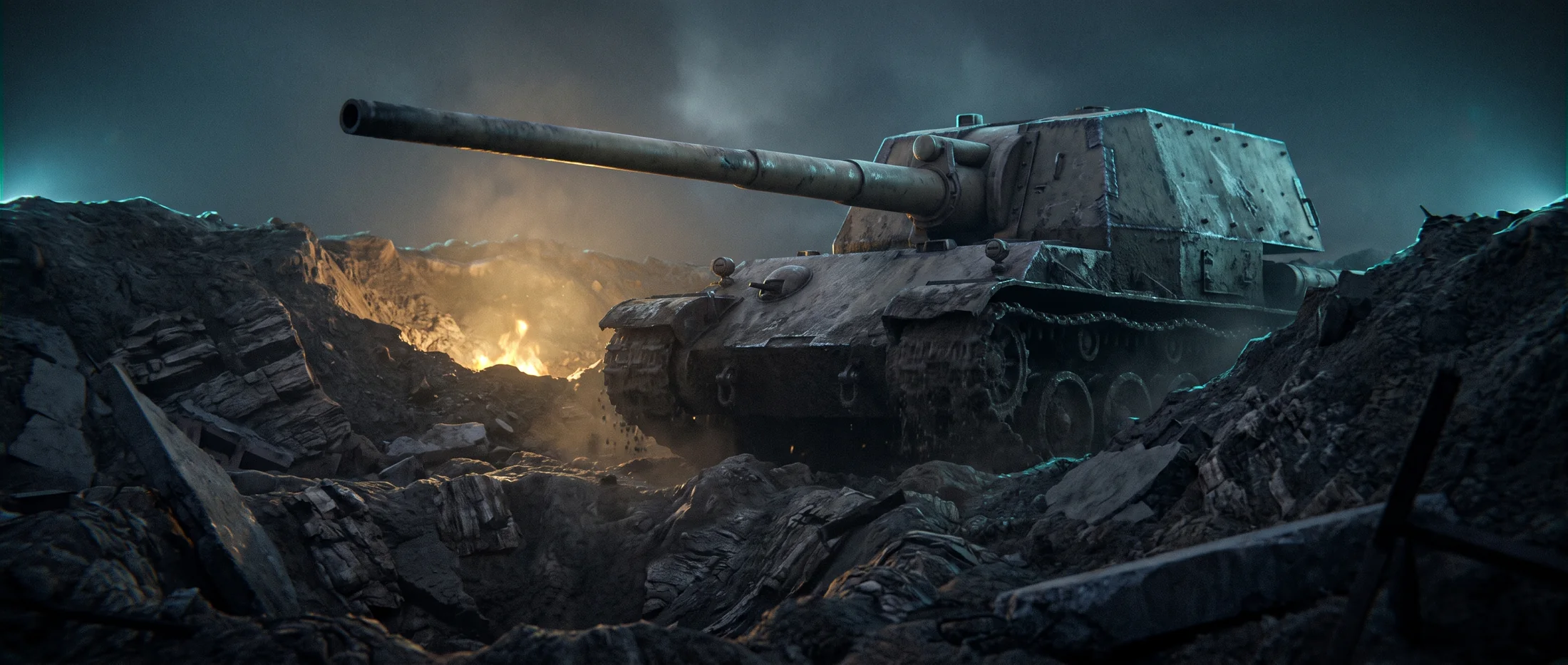
The Fortress wins not by its own shot but by surviving yours. Its blast radius is the widest in the game, and that changes what every hit means: where the Blade punches a hole, the Fortress takes the whole slope down. Playing it means rebuilding the map to suit you and making the enemy shoot at a position that is no longer there.
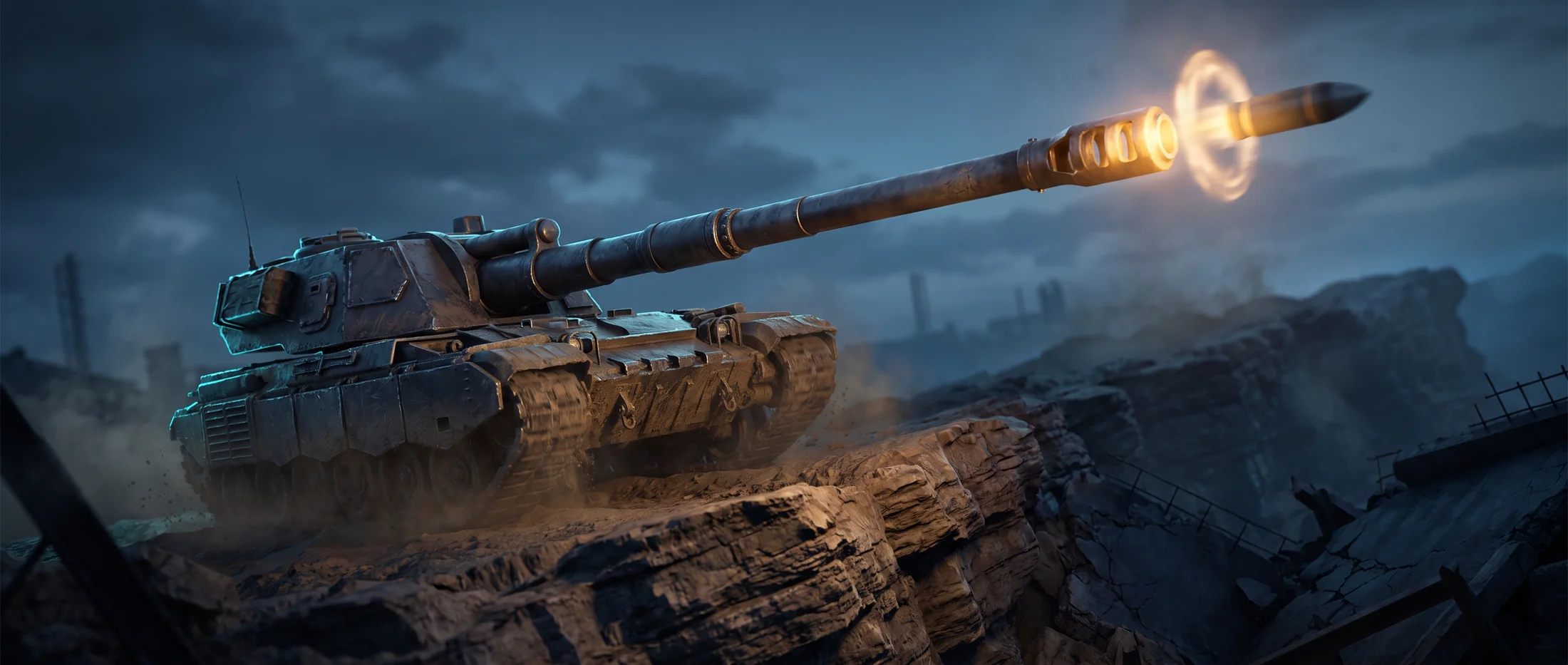
The Blade bets everything on the hit. It has the least armour and the most damage, and the gap widens with rank: at the first rank it is still a common machine, at the tenth it is a different game. A Blade miss costs a turn; a Blade hit costs the enemy half their health.
The Ghost buys the right to choose the spot rather than damage. Its travel range per action point is the longest in the game, and it is the only branch for which spending a turn on driving pays off. Smoke, beacon, scout — that is its arsenal: it wins on the enemy not knowing where the shot will come from.
They are neither researched nor upgraded — they arrive complete — and they earn half again more. By the numbers each one is clamped to the median of its rank: that is verified by a test run, not promised in words.
the thickest hide of tier seven — it covers an ally and holds the high ground
M103 (USA, 1957)
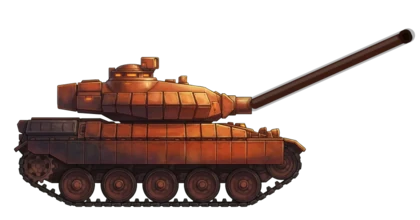
light and fast: reaches its position first and fires while the others are still moving
AMX-30 B2 (France)
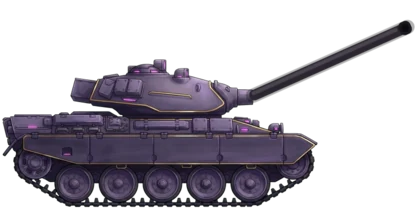
the suspension crouches — it leaves a trench where others stay put
Type 74 (Japan)
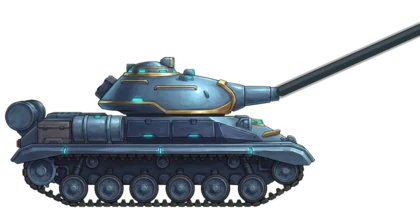
a rare pairing: tier-eight armour and almost a ghost’s range
T-10M (USSR)
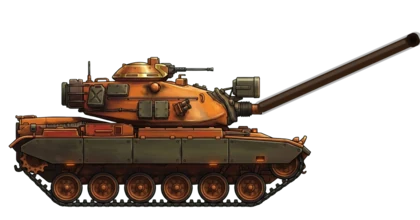
thicker than any blade of its tier: strikes a little softer, but lives to the second turn
M60A3 “Patton” (USA)
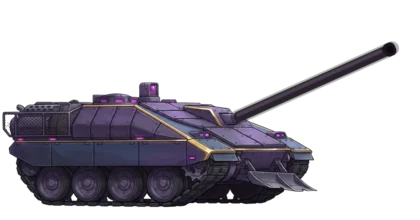
a turretless silhouette — the lowest machine in the game, harder to reach over a ridge
Strv 103 (Sweden)
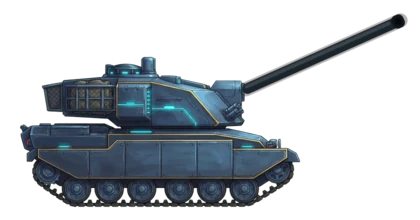
composite blocks front and side: holds out longest of all, and moves least of all
Challenger 1 (United Kingdom)
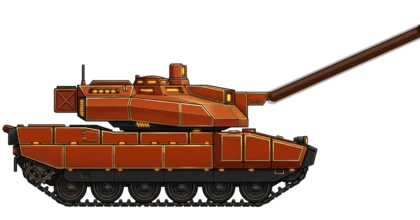
an autoloader and a light hull: groups tighter and gets away in time
Leclerc (France)

the longest drive of tier nine — position matters more than the shot
T-80U (USSR)
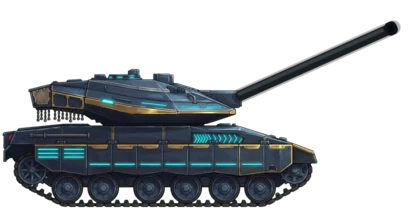
an even machine with no weak spot: holds, strikes and drives at tier ten
Merkava Mk.4 (Israel)
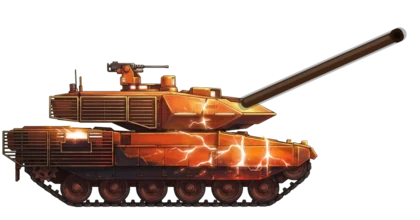
strikes at the ceiling of its tier — and pays for it in armour and range
Leopard 2A7 (Germany)
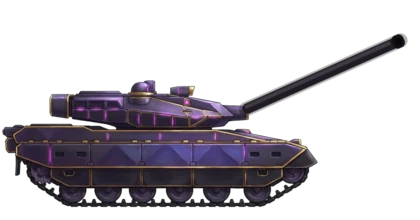
the modular armour was taken off for range: it reaches where tier ten usually does not go
Type 10 (Japan)
XP is earned in battles on your current machine, credits in any battle. The higher the rank, the dearer the next step — but the reward per battle grows with it.
| Rank | XP to research | Credits to buy | Fortress HP | Blade HP | Ghost HP |
|---|---|---|---|---|---|
| T1 | — | — | 920 | — | — |
| T2 | 900 | 3 500 | 1 398 | 991 | 1 107 |
| T3 | 2 400 | 12 000 | 1 766 | 1 251 | 1 398 |
| T4 | 6 000 | 45 000 | 2 226 | 1 577 | 1 762 |
| T5 | 14 000 | 150 000 | 2 798 | 1 982 | 2 215 |
| T6 | 27 000 | 400 000 | 3 510 | 2 486 | 2 779 |
| T7 | 47 000 | 900 000 | 4 395 | 3 113 | 3 480 |
| T8 | 78 000 | 1 800 000 | 5 494 | 3 892 | 4 350 |
| T9 | 125 000 | 3 200 000 | 6 857 | 4 857 | 5 428 |
| T10 | 200 000 | 6 100 000 | 8 545 | 6 052 | 6 764 |
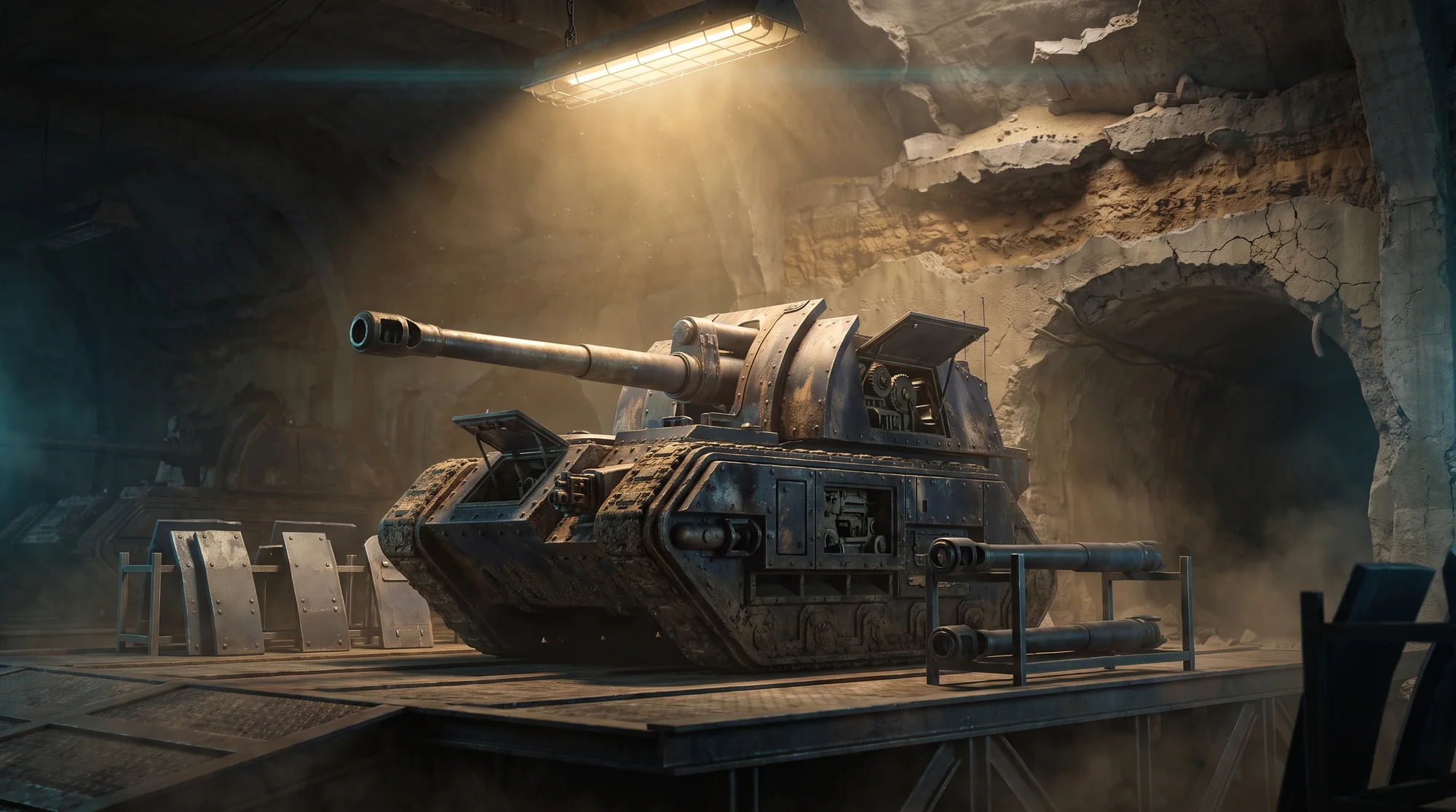
Next to the price in XP the tree shows how many battles that is for you personally, by your own average income. So it is immediately clear whether it is an evening or two weeks.
Blueprints make one particular machine cheaper: a full set of undefined covers the price entirely, an incomplete one covers its share. There is no threshold to hoard up to — the discount works from the first blueprint.
The first machine is the same for everyone: a common start should not be a choice you know nothing about yet.