1
Find an opponent
Press «Battle». If no live player is around, the game offers a bot after fifteen seconds.
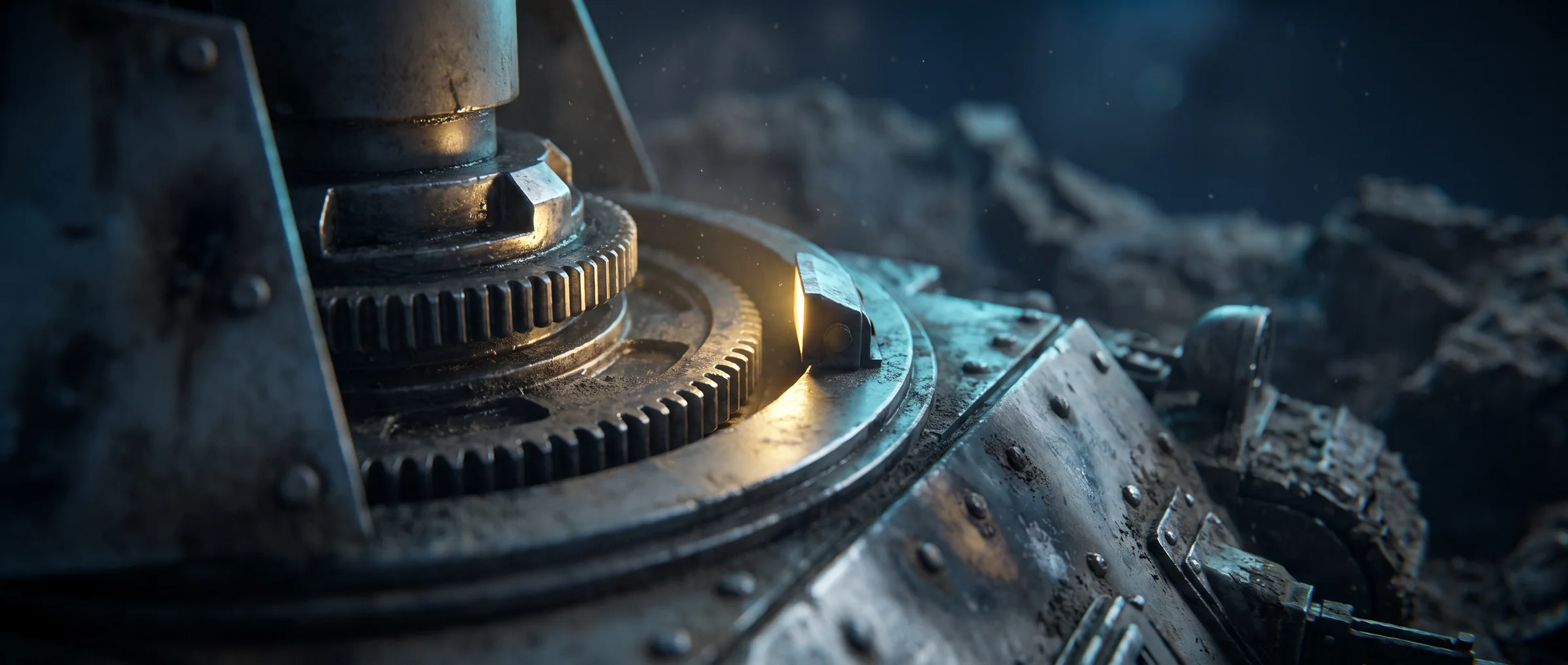
Two players shoot at each other over a hill, turn by turn. Each has 3 action points a turn — and complete freedom in how to spend them.
You take turns, as in chess: while you think, the opponent waits. One battle takes five to twelve minutes.
Press «Battle». If no live player is around, the game offers a bot after fifteen seconds.
Fifteen seconds of briefing: which arena, which weather and which rule runs for the whole battle.
Eight slots out of twenty-four items — against what you have just seen. Ready-made sets are there too.
3 action points and 30 seconds a turn. Whatever you do not spend carries over.
Credits and XP — even for a lost battle. Shown line by line, for what exactly.
That is the entire budget of a turn. Every action spends points, and there are never enough for everything at once.
A cheap shell costs one point, a heavy one two, the biggest salvo four.
Change position. How far depends on the machine.
The gun faces one way. To shoot the other way the hull has to turn.
Bury yourself in the ground: a nearby blast hurts less. Not possible in stone.
Throw up a mound of earth in front of you — or build a bridge with concrete.
The next shot lands closer to the point you aimed at.
Go clean through the hill and come out where nobody is looking.
Knock the support out of an overhanging rock — it comes down with everything under it.
You changed position, dug in and still got a shot off.
One accurate heavy shot instead of three small errands.
The rock falls on the enemy and the shell finishes the job.
Three things decide where the shell lands. All three are on the screen; nothing has to be guessed.
The barrel follows the cursor — from a flat shot to an almost vertical lob. The dotted line shows the START of the arc, not the point of impact: where it actually lands is decided by your wind correction, and that is a skill, not a hint.
Power lives separately from the angle — on the mouse wheel and on W and S. That is why a lob works at any range. The number is in the instrument bar at the bottom.
Wind pushes the shell sideways, and it is stronger up top than down low: a lobbed arc catches more of it than a flat one. Both layers, with arrows, are in the instrument bar under the battlefield.
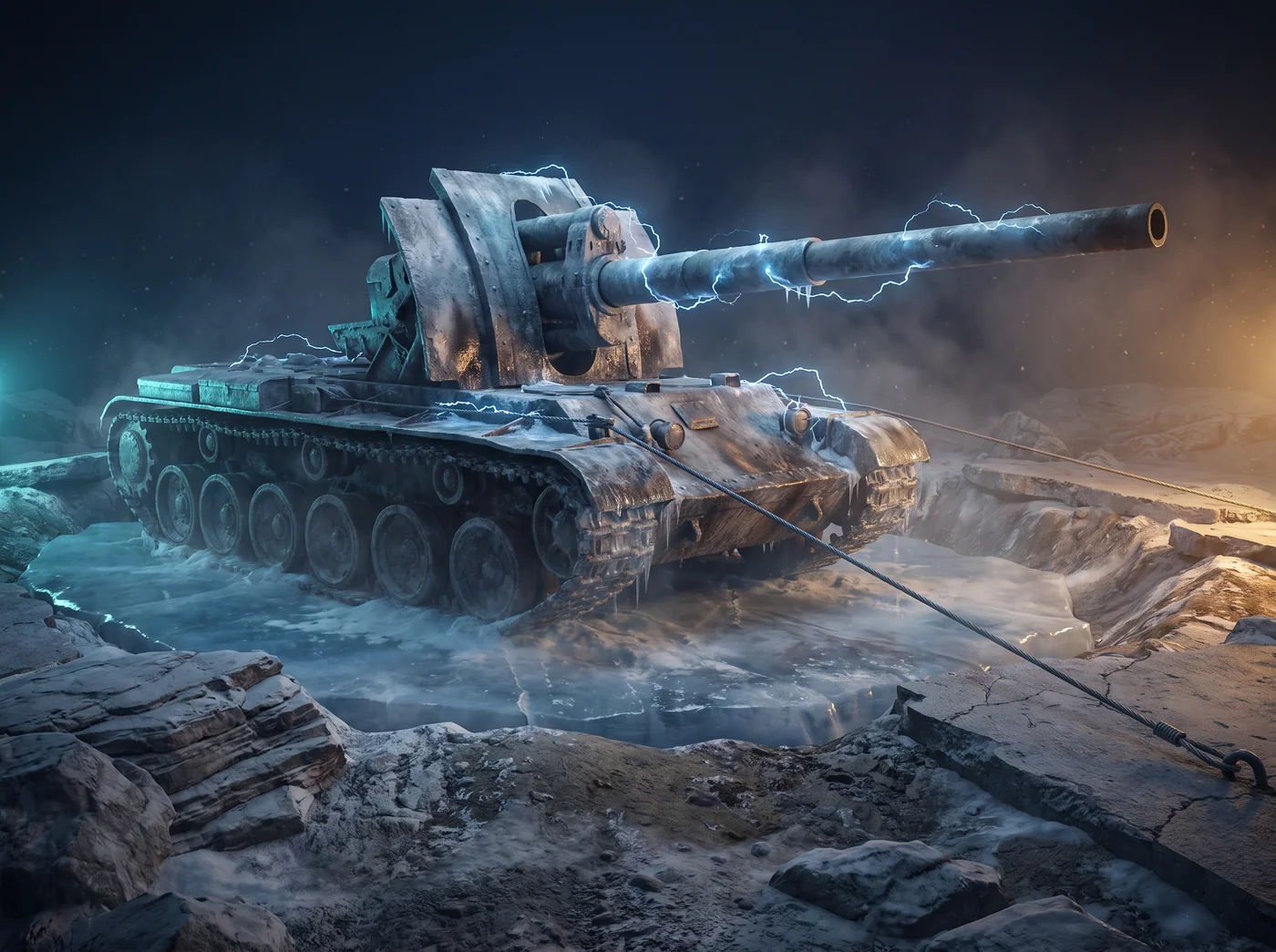
Where they aim, what power they fire at and what came of it. Their plan reads off their turn — and you can build your next one against it.
You can hide from this as well: a smoke screen conceals your position for two turns.
None of the following is needed in a first battle. But this is what the game is made of afterwards.
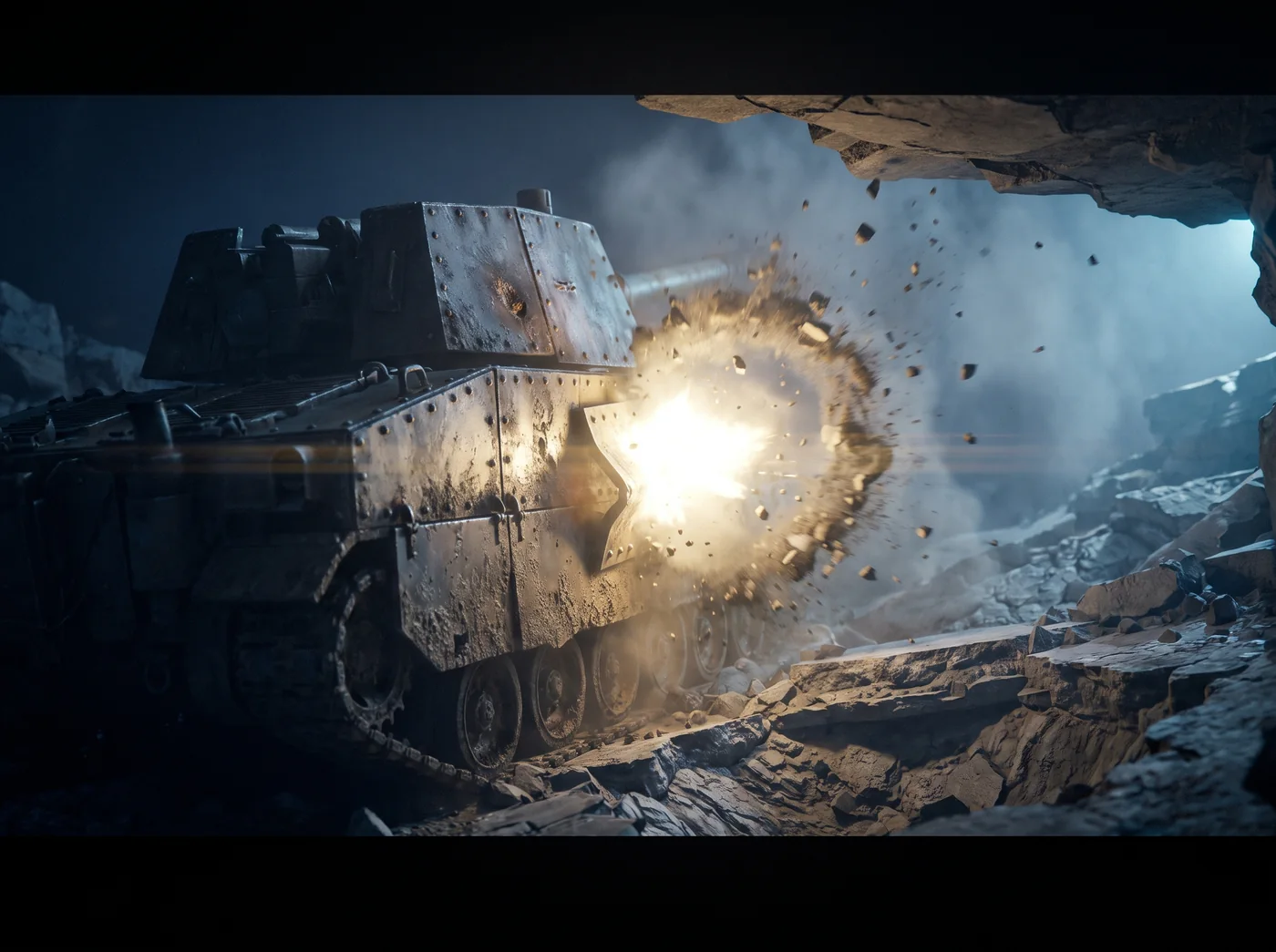
Damage is only one of five roles. There is something to dig with, something to disrupt with and something to hide behind.
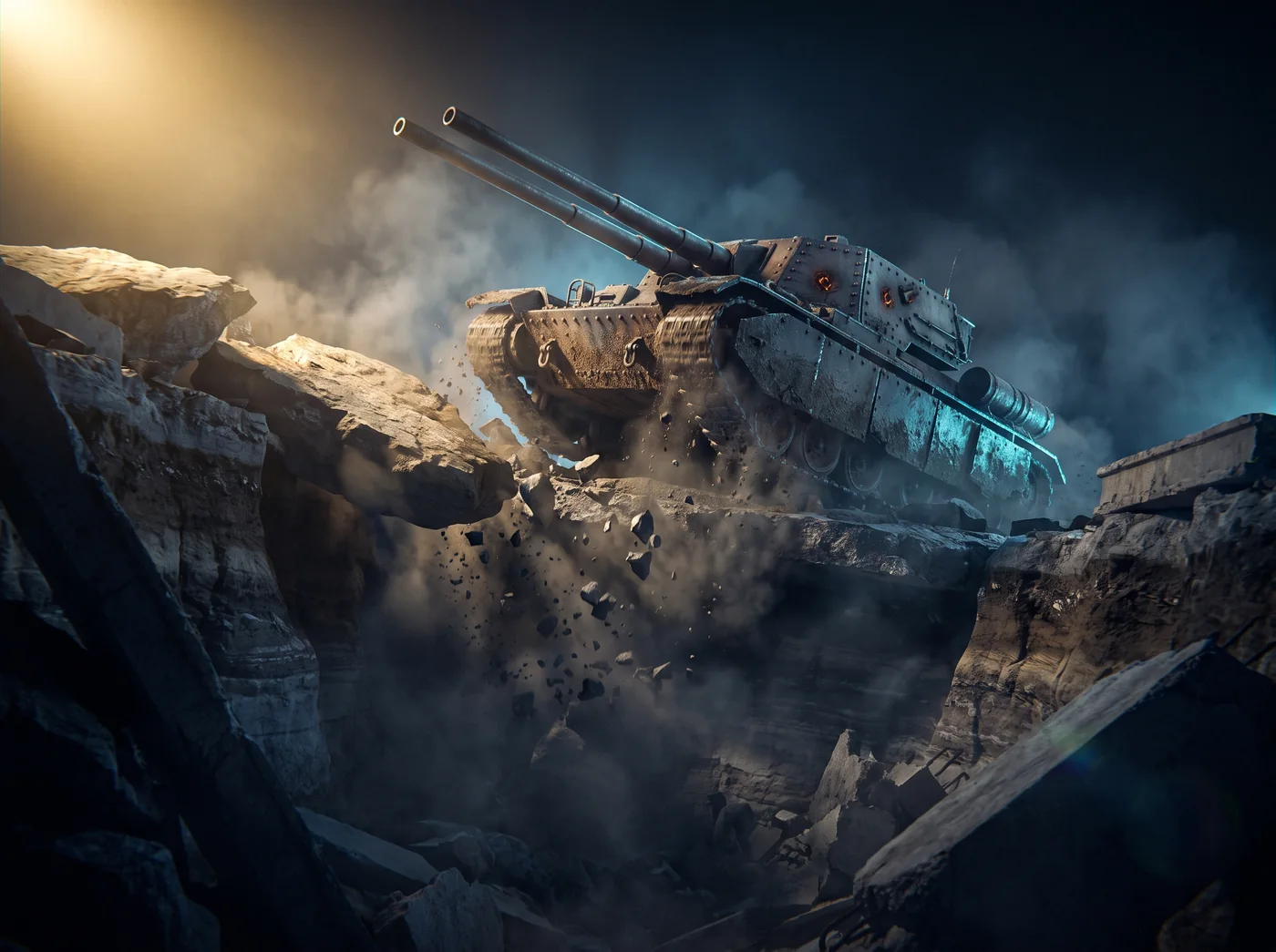
The ground can be dug, collapsed and flooded. Craters stay until the end of the battle.
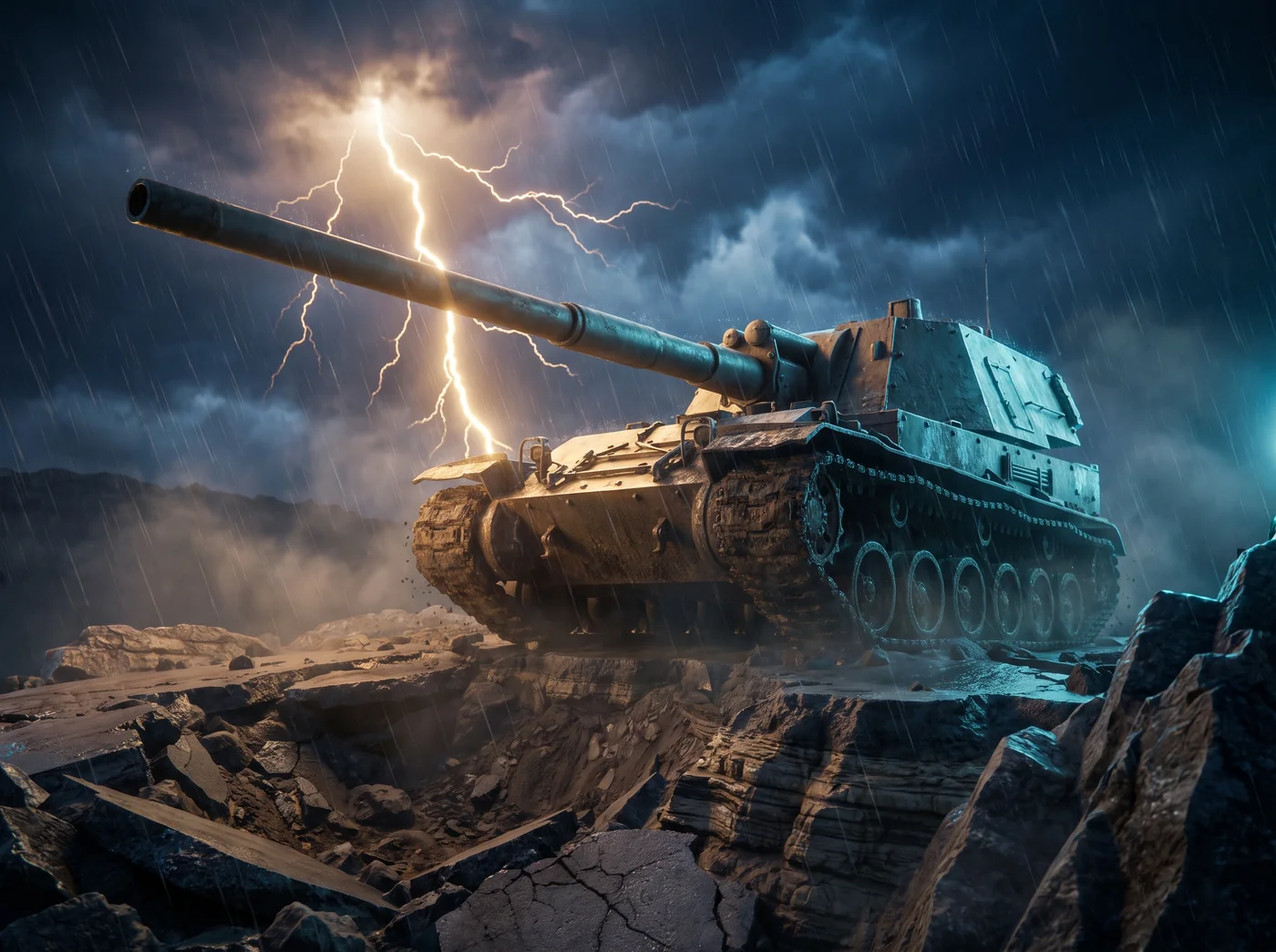
In a storm the wind shifts mid-flight; in fog you can barely see the enemy trace.
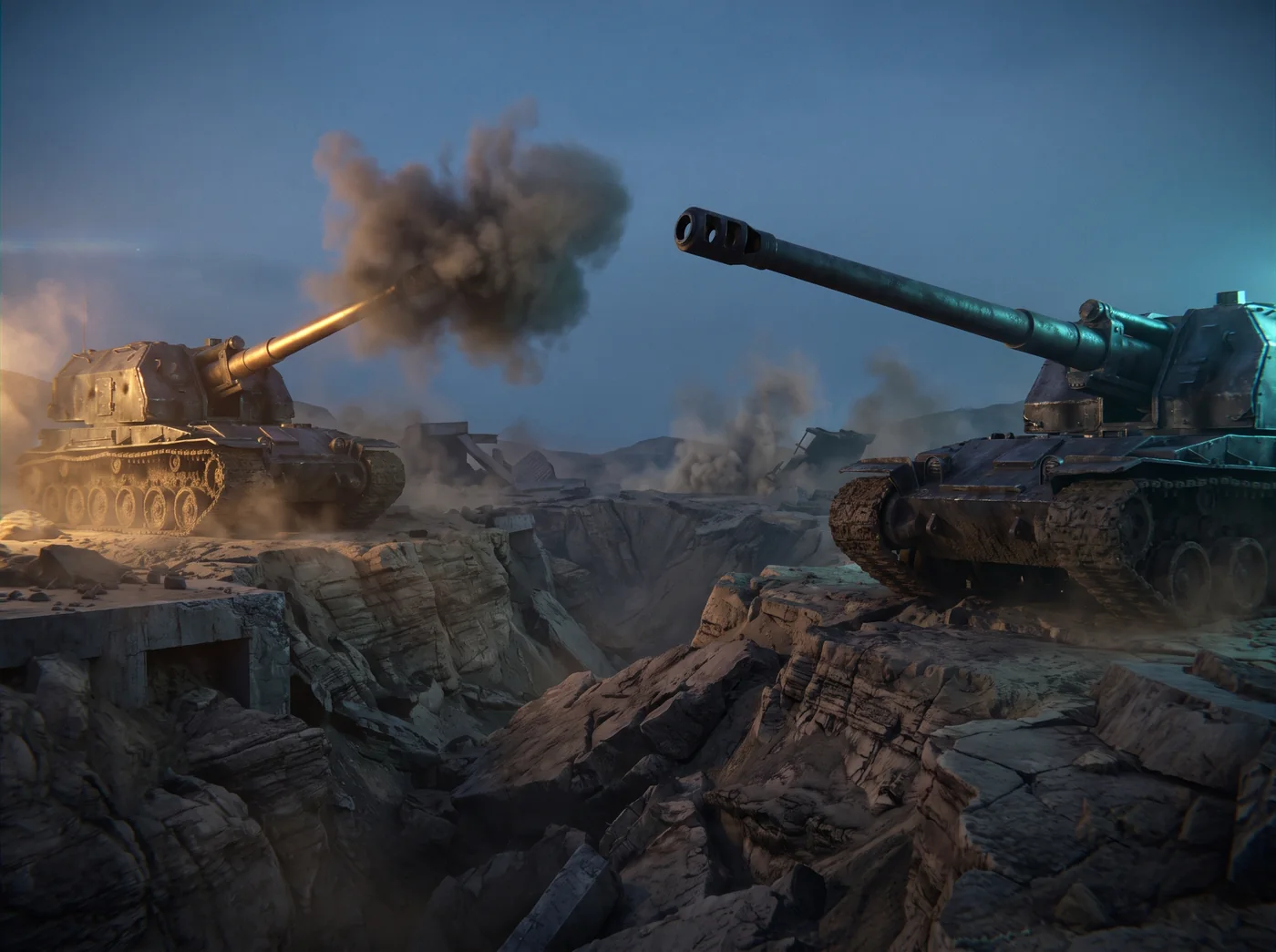
The first battle explains more than any page can. The game opens in a browser — there is nothing to install.